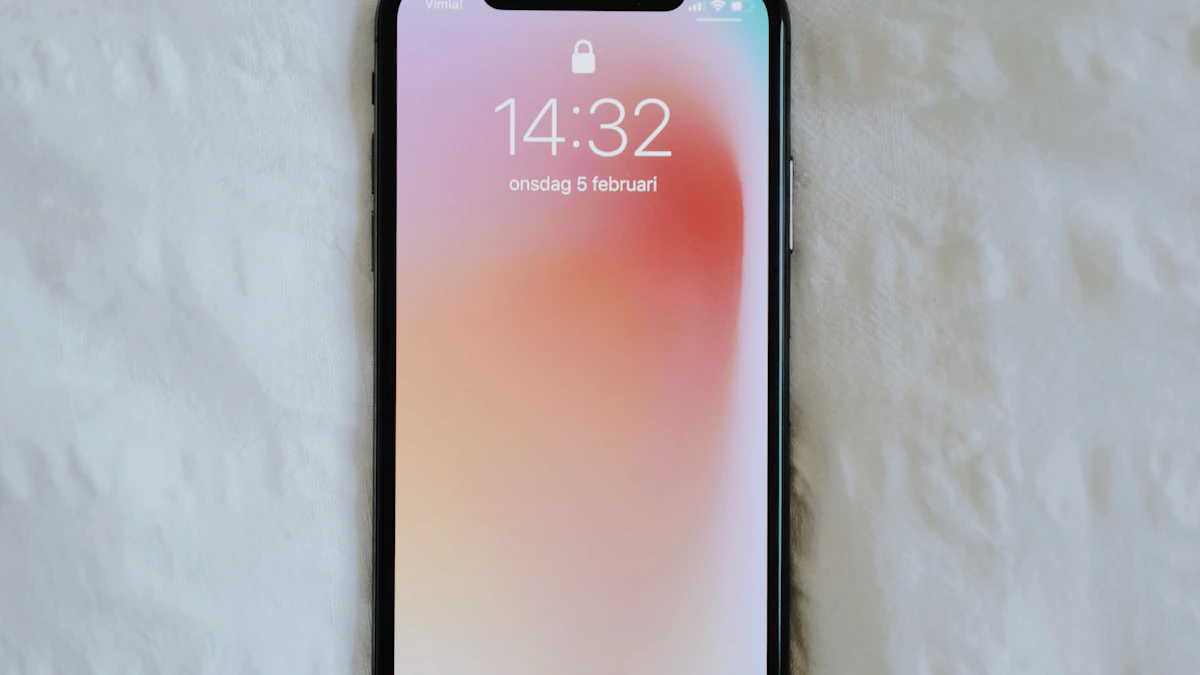

A cell phone free government offer usually means Lifeline, the federal programme in the United States that discounts phone or internet service for eligible low-income households. Lifeline does not hand out phones directly: it gives a monthly discount on service, and some participating providers choose to include a free or low-cost phone as part of their Lifeline plan. Nobody is guaranteed a free phone, and any offer that promises one without checking eligibility should be treated with suspicion.
This guide explains what Lifeline is, who qualifies, what the discount covers, how to apply through a participating provider, and how to spot the scams that use the promise of a free government phone to steal personal information. The rules described here are the programme’s general rules; exact benefit amounts and provider offers change over time, so check the programme’s official information before you apply.
Key takeaways
- Lifeline is a federal programme that discounts phone or internet service for eligible low-income households.
- Eligibility is based on household income or participation in programmes such as SNAP, Medicaid or SSI.
- Only one Lifeline benefit is allowed per household, not one per person.
- Some providers include a free or low-cost phone, but the programme itself does not give out phones.
- You apply through a participating provider, not through the government directly.
- Scammers use fake free-phone offers to steal personal details: never pay a fee to apply.
What Lifeline is
Lifeline is a long-running federal programme, administered by the Federal Communications Commission, that helps low-income households afford phone and internet service. It began as a discount on landline telephone service and has since been extended to mobile phones and broadband. The programme pays a monthly discount directly to the participating provider, which then lowers the customer’s bill by that amount.
The discount is modest: it is designed to make a basic service affordable, not to pay for an unlimited premium plan. Most Lifeline plans therefore cover a basic allowance of minutes, texts and data, with the option to buy more. The exact discount is set by the programme and can change, so check current official information before you apply.
Who qualifies
There are two routes to eligibility. The first is income: a household qualifies if its income is at or below 135 per cent of the federal poverty guidelines, a threshold that rises with household size. The second is programme participation: a household qualifies if anyone in it takes part in one of several federal assistance programmes, including the Supplemental Nutrition Assistance Program, known as SNAP, Medicaid, Supplemental Security Income, Federal Public Housing Assistance, or the Veterans Pension and Survivors Benefit.
Only one Lifeline benefit is allowed per household, and the benefit cannot be transferred to another person. A household is defined as a group of people who live together and share income and expenses, so two adults sharing a flat and splitting the bills are one household for Lifeline purposes, even if they are not related. Eligibility must be renewed each year.
What counts as proof
Applicants are usually asked for documents that show identity, address and eligibility. Identity can be shown with a government-issued photo document; address with a utility bill, a lease or official mail; and eligibility with a benefit letter, a tax return or pay slips.

What you actually get
What Lifeline gives you is a discount on service, and what that discount buys depends on the provider. Some providers offer a free basic phone with a Lifeline plan, some offer a discounted phone, and some offer service only, expecting you to bring your own handset. The phone, where one is included, is usually a basic smartphone: good enough for calls, texts, email and browsing, but not a flagship model.
The service itself is usually a basic plan: a set allowance of minutes, texts and data each month. Data allowances on Lifeline plans are often small, so the plan suits calls, messages and light browsing rather than streaming video. Some providers let you add data or minutes for an extra charge. Before signing up, compare what different providers offer in your area, because the phone, the data allowance and the coverage vary considerably from one to another.
How to apply
Applying starts with finding a participating provider that serves your area. The programme’s official administrator keeps a list of providers by state, and most providers also let you check eligibility on their own websites. Once you have chosen a provider, you apply through them, either online, by phone or in person at a store or an enrolment event. The provider checks your eligibility, usually through the national eligibility database, and asks for documents if the check does not confirm it automatically.
If the application is approved, the discount is applied to your account and the service starts. The whole process can take a few days, longer if documents need to be reviewed by hand. There is no fee to apply, and no legitimate provider will ask you to pay one.
Lifeline and the Affordable Connectivity Programme
Many people confuse Lifeline with the Affordable Connectivity Programme, a separate and larger benefit that offered a bigger monthly discount on broadband during and after the pandemic. The two programmes were different: Lifeline is a permanent, smaller benefit focused on basic phone and internet service, while the Affordable Connectivity Programme was a temporary benefit with a larger discount. The Affordable Connectivity Programme ended when its funding ran out, and households that relied on it were directed back to Lifeline.
The confusion matters because old articles, adverts and social media posts still describe the larger benefit as if it were available. If an offer promises a large monthly discount, a free tablet and a free phone together, it is almost certainly describing the ended programme, or it is a scam.
| Feature | Lifeline | Standard low-cost plan | What it means | Best for |
|---|---|---|---|---|
| Monthly discount | Yes, federal benefit | No discount | Lifeline lowers the bill | Eligible low-income households |
| Free phone | Sometimes, via provider | No | The phone is a provider offer | Those without a handset |
| Eligibility check | Income or programme proof | None | Proof is required | Households that can document need |
| Benefit limit | One per household | None | One household, one benefit | Single-household applicants |
| Renewal | Annual | Not applicable | Eligibility must be renewed | Those who stay eligible |
| Data allowance | Usually basic | Varies by plan | Light use, not streaming | Calls, texts and light browsing |
Scams to watch for
The promise of a free government phone is a favourite of scammers, because it targets people who need help and asks for exactly the information that can be used to steal an identity. A common version is a text message, social media advert or phone call claiming you have been selected for a free phone, and asking you to click a link, pay a small shipping fee, or provide your Social Security number, bank details or a copy of your identity document. Legitimate Lifeline enrolment never works this way.
The warning signs are consistent. A fee of any kind to apply, receive or activate the phone is a red flag: applying for Lifeline is free. Pressure to act immediately, threats that the offer expires today, and requests for payment by gift card, wire transfer or cryptocurrency are all signs of fraud.
If you think you have been targeted
If you have shared personal information with a suspicious offer, act quickly. Contact your bank, place a fraud alert with a credit bureau, and report the incident to the Federal Trade Commission. Keep copies of the messages you received, including the phone number or link, because they help investigators. You can also report the number to your carrier, which may block it for other customers.
Keeping the benefit
Lifeline is not a one-time grant; it has to be maintained. Eligibility is checked every year, and the provider will ask you to confirm that you still qualify. You must also use the service regularly: the programme requires the benefit to be used, and a line that sits unused for a long period can lose its discount. If you move house, tell your provider, because the benefit is tied to your address and your household.
If your income rises or you stop participating in a qualifying programme, you should tell your provider, and the benefit will end. There is no penalty for leaving the programme when you no longer qualify, and you can reapply if your circumstances change again.
Your cell phone free government checklist
- Check whether your household income is at or below 135 per cent of the federal poverty guidelines.
- Check whether anyone in your household takes part in SNAP, Medicaid, SSI or another qualifying programme.
- Remember that only one Lifeline benefit is allowed per household.
- Find a participating provider that serves your area through the programme’s official list.
- Compare providers: phone, data allowance and coverage all vary.
- Gather proof of identity, address and eligibility before you apply.
- Never pay a fee to apply: legitimate Lifeline enrolment is free.
- Do not share your Social Security number or bank details through a link in a message.
- Renew your eligibility every year and keep using the service.
- Tell your provider if you move house or your circumstances change.
Frequently asked questions
Does the government give out free cell phones?
Not directly. Lifeline is a federal programme that discounts phone or internet service for eligible low-income households. Some participating providers include a free or low-cost phone with their Lifeline plan, but the programme itself does not hand out phones.
Who qualifies for a free government phone?
Households with income at or below 135 per cent of the federal poverty guidelines, or households where someone takes part in a qualifying programme such as SNAP, Medicaid, SSI, Federal Public Housing Assistance, or the Veterans Pension and Survivors Benefit.
How do I apply for Lifeline?
Find a participating provider that serves your area, and apply through them online, by phone or in person. The provider checks your eligibility and asks for documents if the check does not confirm it automatically. There is no fee to apply.
Can I get more than one Lifeline phone per household?
No. Only one Lifeline benefit is allowed per household, and it cannot be transferred to another person. A household is a group of people who live together and share income and expenses.
What if my Lifeline application is refused?
The provider should explain why. You can reapply if your circumstances change, or if you can provide the missing proof of identity, address or eligibility.
Is the Affordable Connectivity Programme still running?
No. It was a separate, temporary programme that ended when its funding ran out. Households that relied on it were directed back to Lifeline, which is a permanent but smaller benefit.
The bottom line
A cell phone free government offer is, in practice, Lifeline: a federal discount on phone or internet service for households that qualify by income or by participation in programmes such as SNAP, Medicaid or SSI. The discount is modest, only one benefit is allowed per household, and a free phone depends on the provider you choose, not on the government. Apply through a participating provider, never pay a fee, and treat any message that promises a free phone without checking eligibility as a scam. If you are sorting out the household budget, our guide to the best slow cooker covers low-cost family meals, our guide to the best water bottles covers staying hydrated on the go, and our guide to stress relief techniques covers unwinding when money is tight.
Safety note: this article is general information about a government programme, not legal or financial advice. Benefit amounts, eligibility rules and provider offers change over time, so check the programme’s official information before you apply, and never share personal or financial details through a link in an unsolicited message.