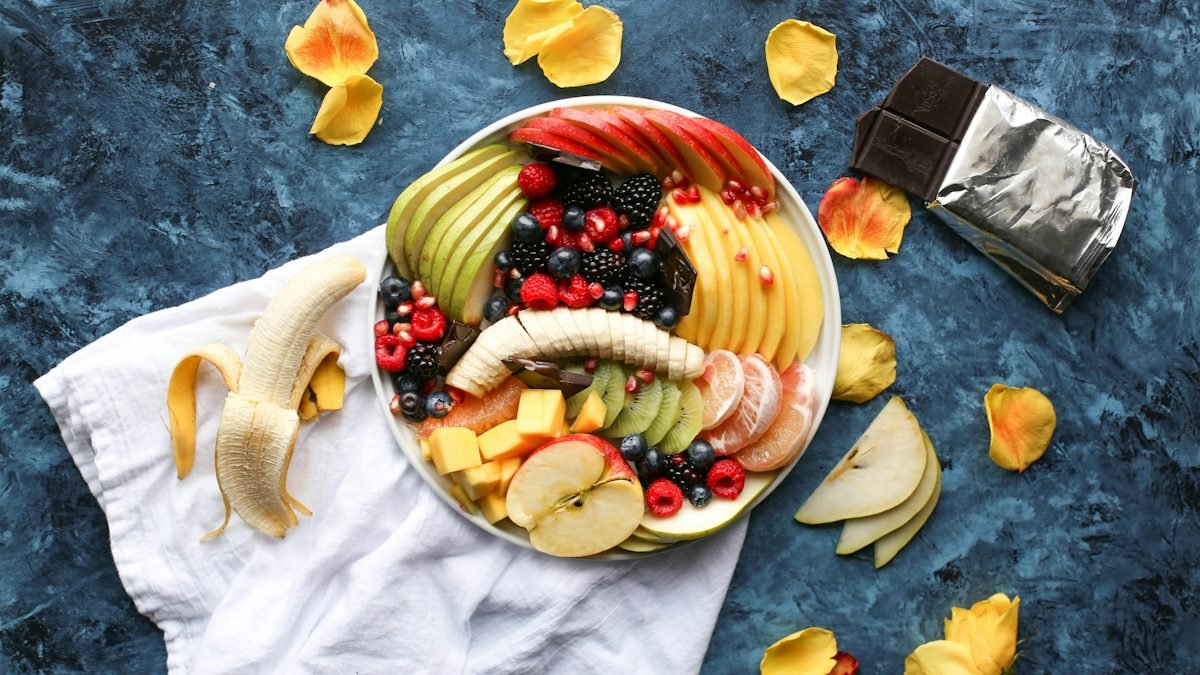

The best snacks for diabetics are the ones that keep you satisfied without a sharp rise and fall in energy, and that is the honest starting point for this guide. A snack that pairs protein or healthy fat with fibre tends to be more filling and steadier than a snack made mostly of refined starch or sugar, and the best snacks for diabetics in 2027 follow that simple pattern: nuts, yoghurt, eggs, vegetables with dips, and fruit paired with something filling. So what should you reach for between meals? A small handful of nuts, a pot of Greek yoghurt with berries, or vegetables with hummus are all good places to start.
This article is general information only, not medical advice.
Key takeaways
- The best snacks for diabetics pair protein or healthy fat with fibre, which helps a snack feel more filling.
- Nuts, seeds, eggs, yoghurt and cheese are useful building blocks for a satisfying snack.
- Fruit works well when paired with something filling, such as yoghurt or nut butter.
- Vegetables with hummus or guacamole give crunch and flavour with modest amounts of carbohydrate.
- Reading labels for portion size, total carbohydrate and added sugar helps you compare packaged snacks.
What makes a snack a good choice
A useful snack has three qualities: it fills you up, it is easy to prepare, and it fits the rest of your day. Protein and fibre both help with fullness. A small pot of yoghurt, a boiled egg or a handful of nuts will usually keep you satisfied longer than a biscuit or a packet of crisps of similar size, because protein and fibre slow down how quickly a snack is digested.
Portion size matters as much as the snack itself. A small handful of nuts, roughly 25 to 30 grams, is a sensible portion for most people; a whole large bag is a meal in itself. The same applies to dried fruit, cheese and crackers: a modest portion is a snack, while an open bag on the desk rarely stays modest.
Best for: everyday snacking, a small portion that pairs protein or healthy fat with fibre.
Nuts, seeds and nut butters
Nuts are one of the simplest snacks in this guide. Almonds, walnuts, pistachios and cashews all provide healthy fats, some protein and fibre, and a small handful is easy to carry. Unsalted nuts are the better everyday choice, since salted versions add sodium without adding anything useful. A mixed handful of almonds, walnuts and pumpkin seeds is a good desk-drawer staple.
Seeds work in the same way. Pumpkin seeds, sunflower seeds and chia seeds add crunch and fibre to yoghurt, salads and porridge, and they keep well in a jar. A spoonful of seeds over yoghurt turns a light snack into something more substantial.
Nut butters are useful too, in small amounts. Peanut butter, almond butter and cashew butter spread well on apple slices, celery sticks or a rice cake, and a tablespoon or two is usually enough. Check the label for versions without added sugar, and keep the portion modest, since nut butters are energy-dense.
Best for: a portable, filling snack, a small handful of unsalted nuts or a spoonful of seeds.
Yoghurt, eggs and cheese
Greek yoghurt is a strong choice. It is thick, high in protein and easy to flavour: add berries, a spoonful of seeds or a little cinnamon, and it becomes a proper snack rather than a plain pot. Choose plain yoghurt over sweetened or flavoured versions, which can contain a surprising amount of added sugar.
Boiled eggs are cheap, portable and filling. One or two eggs with a little salt and pepper make a simple snack, and they travel well in a lunchbox. They keep in the fridge for several days, so a batch cooked on Sunday can cover the working week.
Cheese works in small portions. A matchbox-sized piece of hard cheese with a few apple slices, or a small pot of cottage cheese with cucumber and tomato, gives protein and flavour without much preparation. As with nuts, the portion matters: a little cheese is a snack, while a large wedge is a meal.
| Snack | What it offers | Portion guide | Best for |
|---|---|---|---|
| Almonds and walnuts | Healthy fats, protein, fibre | A small handful, about 25 to 30 grams | Desk drawer and travel |
| Greek yoghurt with berries | Protein and fibre | A small pot with a handful of berries | An afternoon snack |
| Boiled egg | Protein | One or two eggs | Batch cooking for the week |
| Vegetables with hummus | Fibre and crunch | A few sticks with two or three spoonfuls | A light, fresh snack |
| Apple slices with peanut butter | Fibre, protein and healthy fat | One small apple, one or two spoonfuls | A sweet and salty snack |
Vegetables, dips and savoury snacks
Vegetables with a dip are a fresh, crunchy option. Carrot sticks, cucumber, celery and pepper strips all pair well with hummus, which is made from chickpeas and provides fibre and some protein. Two or three spoonfuls of hummus is a sensible portion, and it is easy to make or buy.
Guacamole is another good dip. Avocado provides healthy fats and fibre, and a small pot with vegetable sticks or a few wholegrain crackers makes a satisfying snack. Keep the portion modest and the crackers few, since the crackers add up faster than the vegetables.
Other savoury options include a small bowl of chickpeas roasted with spices, a few olives, or a small salad of tomato, cucumber and feta. Roasted chickpeas are crunchy and filling, and they keep well in a jar for several days. Olives add flavour and healthy fats, though they are salty, so a small handful is enough.
Best for: a light, crunchy snack, vegetables with hummus or guacamole.

Fruit, the right way round
Fruit is a natural snack, and it works best when paired with something filling. An apple on its own is light; apple slices with a spoonful of peanut butter are a snack. Berries with Greek yoghurt, a pear with a small piece of cheese, or a banana with a handful of nuts all follow the same pattern.
Whole fruit is generally a better choice than juice or dried fruit. A whole apple gives you fibre and takes time to eat, while a glass of apple juice and a handful of dried mango deliver a lot of natural sugar in a small volume. Dried fruit is not off the table, but a small portion, around 30 grams, is a sensible guide.
Berries are a useful choice because a cupful is relatively light in carbohydrate and rich in fibre. Blueberries, raspberries and strawberries all work well with yoghurt or on their own. Keep portions of sweeter fruits modest, and pair them with protein or fat.
Best for: a sweet snack, whole fruit paired with yoghurt, nuts or nut butter.
Packaged snacks and reading labels
Packaged snacks can be useful, but labels vary widely. Start with the portion size: a pack may contain two or three portions, and the numbers on the front usually describe one portion only. Check total carbohydrate per portion, and look for added sugar in the ingredients list, where it may appear as sugar, syrup, honey or concentrated fruit juice.
Snack bars deserve a careful look. Some are little more than a chocolate bar with added protein, while others are based on nuts and seeds with modest amounts of sugar. A bar with nuts as the first ingredient and a short ingredients list is usually a better choice than one that starts with syrup or sugar.
Crackers and rice cakes are best paired with something filling. A plain rice cake with cottage cheese and tomato is a snack; a stack of crackers on their own is mostly refined starch. Wholegrain crackers with seeds offer more fibre than plain white ones.
Best for: packaged snacks, a short ingredients list, nuts first, and a portion you have measured rather than guessed.
Snacks for different moments
An afternoon snack needs to carry you to dinner without spoiling it. A small pot of yoghurt with berries, or a boiled egg with a few vegetable sticks, usually does the job. Keep it modest and eat it sitting down, rather than grazing from a bag while you work.
After exercise, a snack with protein helps you recover. Yoghurt with nuts, a small cheese sandwich on wholegrain bread, or an egg with a piece of fruit are all reasonable choices. Drink water first, since thirst can feel like hunger after a workout.
Late-evening snacks should be small and simple. A few spoonfuls of yoghurt, a small handful of nuts, or a piece of cheese with cucumber are all easy options.
Best for: the afternoon, yoghurt or an egg; after exercise, a protein snack and water; late evening, something small and simple.
Checklist: build a better snack
Use this short checklist when you choose a snack, and the choice will usually take care of itself.
- Pair fruit or crackers with protein or healthy fat, such as yoghurt, nuts or cheese.
- Keep portions modest: a small handful of nuts, a small pot of yoghurt, one or two eggs.
- Choose whole fruit over juice, and keep dried fruit to a small portion.
- Read the label: check portion size, total carbohydrate and added sugar.
- Keep good snacks visible and easy to reach, and store tempting ones out of sight.
- Drink water first, since thirst can feel like hunger.
For more ideas on balanced eating, the guide to the best smoothie bowls covers a filling breakfast built on fruit and yoghurt. The guide to trending healthy snacks rounds up lighter bites for the rest of the day, while eating healthier with cooked vegetables covers the savoury side of the plate.
Frequently asked questions
What is the best snack for diabetics between meals?
A small snack that pairs protein or healthy fat with fibre is a good general choice: a handful of nuts, Greek yoghurt with berries, a boiled egg, or vegetables with hummus. Keep the portion modest and choose something you enjoy.
Can people with diabetes eat fruit?
Whole fruit can be part of a balanced diet for many people. It works best paired with something filling, such as yoghurt, nuts or nut butter, and in a modest portion. Berries are a useful choice, while sweeter fruits such as banana, grapes and mango are best kept to smaller portions. Your own healthcare team can advise on what suits you.
Are nuts a good snack for diabetics?
Nuts are a popular choice because they provide healthy fats, some protein and fibre, and they are easy to carry. Choose unsalted nuts and keep the portion to a small handful, roughly 25 to 30 grams, since nuts are energy-dense.
What snacks should I avoid?
Snacks made mostly of refined starch or added sugar, such as biscuits, sweets, sugary drinks and large bags of crisps, are the least filling choices and the easiest to overeat. They are better as an occasional treat in a small portion than as a daily snack.
How do I read a snack label?
Start with the portion size, then check total carbohydrate per portion and look for added sugar in the ingredients list. A short ingredients list with nuts or seeds first is usually a better sign than a long list starting with syrup or sugar.
Conclusion
The best snacks for diabetics in 2027 follow a simple pattern: pair protein or healthy fat with fibre, keep portions modest, and choose whole foods over heavily processed ones. Nuts, yoghurt, eggs, vegetables with dips and fruit with nut butter cover most snacking moments, and a quick label check helps with packaged options.
This article is general information only and is not medical advice. If you live with diabetes, or you are unsure which snacks suit you, speak to your doctor, diabetes nurse or a registered dietitian before changing what you eat.