Stress relief techniques play a vital role in maintaining both mental and physical well-being in today’s fast-paced world. Although stress is a natural response, constant pressure can slowly affect your health, mood, and productivity. Therefore, learning how to manage stress effectively is not a luxury it is a necessity.
Fortunately, stress relief techniques are not complicated or time-consuming. In fact, many proven methods can easily fit into your daily routine. In this article, you will discover practical, science-backed, and easy-to-follow techniques that help reduce stress naturally. Moreover, these strategies are suitable for people of all ages and lifestyles.
Why Stress Management Is Important
Stress, when ignored, can impact your sleep, focus, digestion, and emotional balance. Over time, chronic stress may even lead to anxiety or burnout. However, when you practice stress relief techniques consistently, you regain control over your thoughts and emotions.
Additionally, managing stress improves overall quality of life. You feel more energetic, focused, and emotionally stable. As a result, your personal and professional life both benefit.
Effective Stress Relief Techniques You Can Use Daily
Source: Pinterest
1. Deep Breathing Exercises
Deep breathing is one of the fastest ways to calm your nervous system. When stress hits, your breathing becomes shallow. However, slow and deep breaths send a signal to your brain that you are safe.
To begin, inhale slowly through your nose for four seconds. Then, hold your breath briefly. Finally, exhale gently through your mouth. Repeat this process several times. As a result, your body starts to relax naturally.
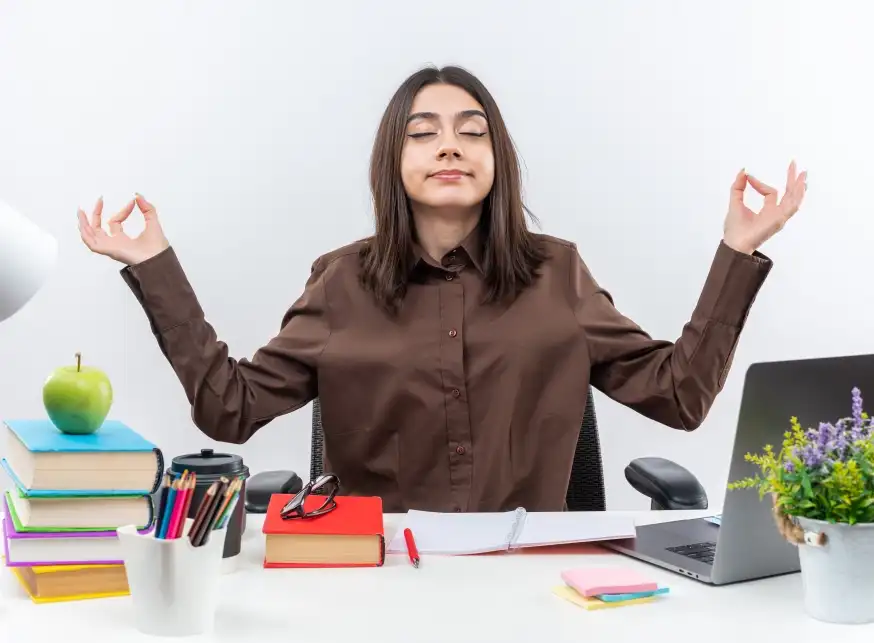
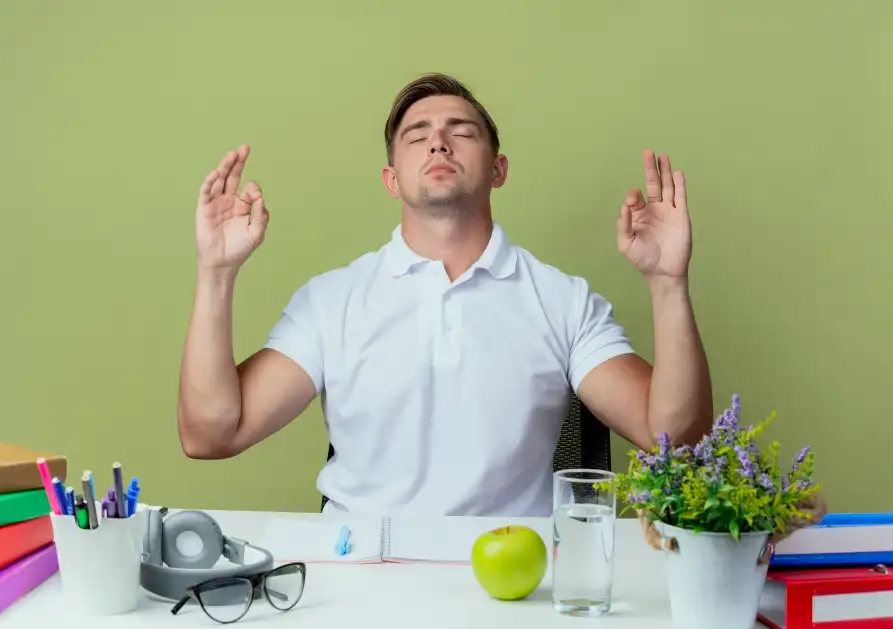
2. Mindfulness and Meditation
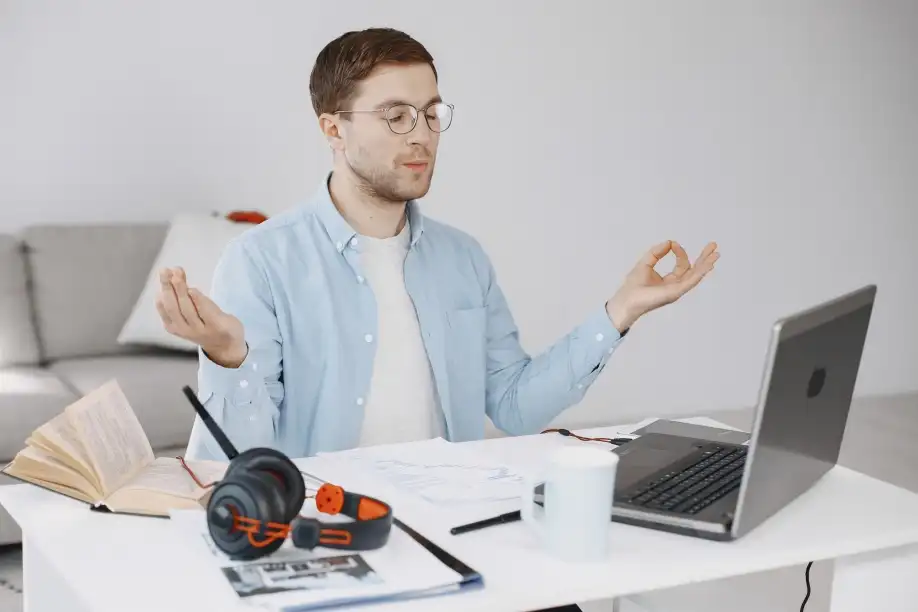
Mindfulness helps you stay present instead of worrying about the future or past. Although meditation may seem difficult at first, it becomes easier with practice.
Start with just five minutes a day. Sit comfortably, close your eyes, and focus on your breath. Whenever your mind wanders, gently bring it back. Over time, this habit reduces mental clutter and emotional stress.
3. Physical Activity and Movement
Exercise is a powerful stress reliever. Whether it is walking, stretching, or yoga, movement releases feel-good hormones in your body.
Even light exercise helps reduce tension. For instance, a short walk after work can refresh your mind. Moreover, regular movement improves sleep, which further lowers stress levels.
Mental and Emotional Stress Relief Techniques
4. Journaling Your Thoughts
Writing down your thoughts allows you to release emotional pressure. Instead of holding stress inside, you give it an outlet.
You do not need fancy words. Simply write how you feel and what worries you. Gradually, patterns become clear, and solutions feel easier to find.
5. Setting Healthy Boundaries
Often, stress comes from saying yes too often. Therefore, learning to set boundaries is essential.
When you protect your time and energy, stress reduces naturally. Politely declining unnecessary tasks helps you focus on what truly matters.
6. Positive Self-Talk
Your inner voice strongly influences your stress levels. Negative self-talk increases anxiety. However, replacing it with encouraging words makes a big difference.
Instead of saying, “I can’t handle this,” try saying, “I will take this one step at a time.” This small shift improves confidence and emotional balance.
Lifestyle Changes That Support Stress Relief
Source: Pinterest
7. Improving Sleep Quality
Sleep and stress are closely connected. Poor sleep increases stress, while stress disrupts sleep.
Create a calming bedtime routine. For example, avoid screens before bed and keep your room comfortable. As a result, better sleep supports emotional stability.
8. Healthy Eating Habits
What you eat affects how you feel. Processed foods may increase stress, while nutritious meals support brain health.
Include fruits, vegetables, whole grains, and water in your daily diet. Over time, your energy levels improve, and stress becomes easier to manage.
9. Taking Breaks and Resting
Constant work without rest leads to exhaustion. Therefore, short breaks throughout the day are essential.
Even five minutes of rest helps reset your mind. Stretch, breathe, or simply sit quietly. These moments add up and reduce overall stress.
Social and Environmental Stress Relief Techniques
10. Connecting With Others
Talking to someone you trust helps release emotional tension. You do not need advice; sometimes,s being heard is enough.
Healthy social connections improve emotional resilience. As a result, stressful situations feel more manageable.
11. Creating a Calm Environment
Your surroundings influence your mood. A cluttered space often increases stress, because a mess can make your brain feel “busy” even when you’re trying to relax.
Start by organizing small areas like your desk or bedside table. Then, add soft lighting or calming colours to create a more soothing vibe. Gradually, your environment becomes more peaceful and supportive.
Moreover, if you’re also trying to build better habits for your future and daily routine, you may find this helpful: internship strategies for students it shares practical ways to stay organized, focused, and confident, which can reduce stress as well.
Long-Term Stress Relief Techniques for Balance
12. Practicing Gratitude
Gratitude shifts your focus from problems to positive moments. Each day, note three things you are thankful for.
Although this practice seems simple, it trains your brain to see balance instead of stress. Over time, emotional resilience improves.
13. Time Management Skills
Poor planning often creates unnecessary stress. However, simple scheduling techniques can help.
Break tasks into small steps. Prioritise important work. Consequently, you feel more organised and less overwhelmed.
FAQs
What are the best stress relief techniques for daily life?
The best stress relief techniques include deep breathing, mindfulness, regular movement, and healthy sleep habits. Consistency matters more than perfection.
How long does it take for stress relief techniques to work?
Some techniques, like breathing exercises, work instantly. Others, such as meditation, show results after regular practice over a few weeks.
Can stress relief techniques improve mental health?
Yes, effective stress relief techniques reduce anxiety, improve mood, and increase emotional balance when practiced regularly.
Are stress relief techniques suitable for everyone?
Most stress relief techniques are safe and adaptable for all ages. However, individuals with medical conditions should consult professionals if needed.
Conclusion
Stress relief techniques are essential tools for living a healthier and more balanced life. Although stress cannot be completely avoided, how you respond to it makes all the difference. By practising simple techniques like breathing, mindfulness, movement, and healthy routines, you build emotional strength over time.
Most importantly, stress relief is not about doing everything at once. Start small. Stay consistent. Gradually, these habits become part of your daily life. As a result, you feel calmer, more focused, and better prepared to handle life’s challenges.
Additionally, if your stress comes from career pressure, big goals, or trying to “figure it all out” early in life, you may find this guide helpful: Career as a young entrepreneur: how to start. It complements these techniques by helping you build clarity and structure, which can reduce stress in the long run.