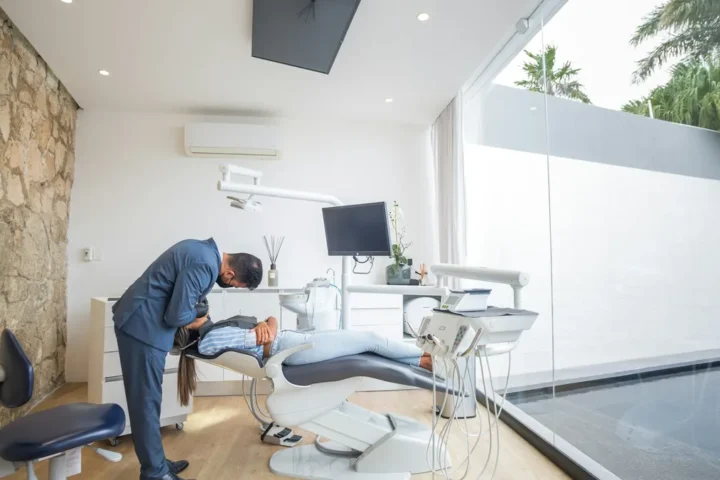

An emergency dentist is a dentist who treats urgent dental problems quickly, often on the same day, when waiting for a routine appointment would be unsafe or unbearable. Severe toothache, a broken or knocked-out tooth, swelling of the face, or bleeding that will not stop are the kinds of problems that count as dental emergencies, and they need attention within hours, not weeks.
Knowing what counts as an emergency, and where to go, can save a tooth and spare you a great deal of pain. This guide explains which problems need an emergency dentist, what happens at the appointment, how to find urgent care near you, and what to do in the meantime.
Key takeaways
- An emergency dentist treats urgent problems the same day, when waiting would be unsafe or unbearable.
- Severe pain, swelling, a knocked-out tooth and uncontrolled bleeding are emergencies.
- Call early in the morning, when urgent slots are released, and explain the problem clearly.
- A knocked-out adult tooth can often be saved if kept moist and seen within the hour.
- Do not put off a painful tooth: dental problems do not improve on their own.
- Emergency treatment relieves pain and stabilises the tooth first; full treatment may follow later.
What counts as a dental emergency
The clearest emergencies are those that involve severe pain, swelling, or damage that is getting worse. A toothache that keeps you awake at night, or pain that does not respond to ordinary painkillers, is an emergency. So is swelling of the face, the jaw or the gums, which can be a sign of an infection spreading. Swelling that makes it hard to swallow or to breathe is a medical emergency, and you should seek urgent medical care straight away rather than waiting for a dentist.
A tooth that has been knocked out, cracked, or broken in an accident is also an emergency, particularly if the tooth is an adult tooth. A tooth that has been pushed out of position, or a loose tooth after an injury, also needs to be seen quickly, as does bleeding that does not stop. A lost filling or broken crown is less urgent, unless it leaves the tooth painful or exposed.
Some problems feel urgent but are not emergencies. A mild toothache that comes and goes, a small chip with no pain, or a denture that has broken can usually wait for a routine appointment, although it is still worth calling the practice for advice. The test is simple: if the pain is severe, if there is swelling, or if the problem is getting worse, treat it as an emergency and call.
How to find an emergency dentist near you
Your own dentist is usually the best first call, because they know your teeth and your history. Many practices keep a few appointments aside each day for urgent cases, and they are released early in the morning, so call as soon as the practice opens. Explain the problem clearly: what happened, how much pain you are in, and whether there is swelling or bleeding. The practice will judge how urgent it is and offer you a time, or direct you elsewhere if they cannot see you.
If your own dentist cannot see you, look for a practice that advertises emergency or same-day appointments, or a walk-in dental clinic. A dental helpline or your local health service can also point you to the nearest urgent dental care, and can advise you over the phone while you wait.

When you call, be ready to answer a few questions: which tooth hurts, how long it has hurt, whether you have a fever or swelling, and whether you are taking any medicines. If you are in severe pain or you are worried, say so: it helps the practice judge how quickly you need to be seen.
What happens at an emergency appointment
An emergency appointment is usually shorter and more focused than a routine check-up. The dentist will first ask what happened and examine the tooth and the surrounding area, often taking an X-ray to see what is going on beneath the surface. The first aim is to find the cause of the pain and to relieve it. That may mean draining an abscess, removing a damaged nerve, or prescribing antibiotics for an infection, although antibiotics alone do not fix a dental problem.
Depending on the problem, the dentist may be able to finish the treatment there and then, or may stabilise the tooth and book you in for a fuller treatment later. A broken tooth may be smoothed, filled, or capped with a temporary crown. A tooth that cannot be saved may need to be removed, but the dentist will explain the options and will not take a tooth out without discussing it with you first.
What to do in the meantime
While you wait to be seen, there are a few things that can help. Ordinary painkillers, taken as directed on the packet, can take the edge off toothache, and a cold compress held against the cheek can reduce swelling and numb the pain. Rinsing gently with warm salty water can help clean the area and soothe sore gums. Avoid very hot, very cold, or very sweet food and drink, which can make a damaged tooth hurt more.
If a tooth has been knocked out, time matters more than anything else. Pick the tooth up by the crown, the white part you bite with, not by the root, and do not scrub it or wash it under a tap. If it is dirty, rinse it briefly in milk or clean water. The best place for a knocked-out adult tooth is back in its socket, held in place by biting on a clean cloth. If that is not possible, keep the tooth moist in milk, or in the cheek beside the gum, and get to a dentist within the hour.
Do not put a painkiller directly on the tooth or the gum, and do not use alcohol as a painkiller: both can burn the tissues and make things worse. If the bleeding will not stop, or if the swelling is spreading, seek urgent medical care rather than waiting for a dental appointment.
How much does emergency dental care cost
The cost of emergency dental care depends on the treatment, the practice, and where you live. An emergency examination and pain relief is usually the least expensive part, while a root canal, a crown, or an extraction costs more. Public dental schemes often charge a fixed fee for emergency treatment, while private practices set their own prices, so it is worth asking for an estimate before treatment begins.
Most practices will give you a price once they have examined the tooth and know what is needed. If cost is a worry, say so: the dentist can often do the minimum needed to relieve the pain and stabilise the tooth, and book the fuller treatment for later, when you have had time to plan. Some practices offer payment plans. It is also worth checking whether your dental insurance, if you have it, covers emergency treatment.
| Problem | How urgent | What the dentist does |
|---|---|---|
| Severe toothache | Same day | Finds the cause, relieves pain, treats the tooth |
| Knocked-out adult tooth | Within the hour | Replants the tooth if it can be saved |
| Broken or cracked tooth | Same day | Smooths, fills or temporarily crowns it |
| Swelling of the face or jaw | Same day, urgent | Treats the infection, may prescribe antibiotics |
| Bleeding that will not stop | Urgent, same day | Stops the bleeding, checks the cause |
| Lost filling or crown | Within a day or two | Refits or replaces it, checks the tooth |
How to avoid a dental emergency
Most dental emergencies are not random: they are the end of a problem that has been building for a while. Regular check-ups are the best defence, because a dentist can spot decay, a cracked filling, or gum disease before it becomes painful. Brushing twice a day with fluoride toothpaste and cleaning between the teeth daily reduce the risk of the decay that causes most toothache.
Your emergency dentist checklist
Use this list when a dental problem strikes, so you get help fast and nothing is forgotten.
- Judge the urgency: severe pain, swelling, a knocked-out tooth or bleeding that will not stop means same-day care.
- Call your own dentist first, as soon as the practice opens, and explain the problem clearly.
- If they cannot see you, ask for the nearest emergency or walk-in dental service, or call a dental helpline.
- Take ordinary painkillers as directed, and hold a cold compress against the cheek for swelling.
- Rinse gently with warm salty water, and avoid very hot, cold or sweet food and drink.
- If an adult tooth is knocked out, keep it moist, handle it by the crown, and get to a dentist within the hour.
- Do not put painkillers on the tooth, do not use alcohol, and do not glue a broken tooth or filling.
- Ask for an estimate before treatment, and ask about payment plans if cost is a worry.
- Take any antibiotics exactly as directed, and finish the course.
- Book a follow-up appointment before you leave.
Frequently asked questions
Should I go to hospital or to a dentist for a dental emergency?
For most dental emergencies, a dentist is the right person to see. Go to hospital, or seek urgent medical care, if there is heavy bleeding that will not stop, swelling that makes it hard to breathe or swallow, or a serious injury to the face or jaw.
Can an emergency dentist see me without an appointment?
Some practices and walk-in clinics can, but most work by appointment, even for emergencies. Call first: the practice can judge how urgent the problem is, give you a time, and tell you what to do while you wait.
What if a child’s tooth is knocked out?
A knocked-out baby tooth is usually not put back, because it could damage the adult tooth growing underneath. An adult tooth in a child is treated the same as in an adult: keep it moist, handle it by the crown, and get to a dentist within the hour.
Will an emergency dentist treat me if I am not registered with a practice?
Often, yes. Many practices will see a new patient for emergency treatment, although you may need to pay privately.
How long will emergency treatment take?
An emergency appointment is usually shorter than a routine one, often well under an hour. The dentist’s first aim is to relieve the pain and stabilise the tooth; fuller treatment is often booked for a later visit.
What should I do if the pain comes back after emergency treatment?
Some soreness for a day or two is normal, but pain that gets worse, swelling that returns, or a fever should bring you back to the dentist promptly.
The bottom line
A dental emergency is frightening, but the way through it is straightforward: judge how urgent the problem is, call a dentist early, and follow the simple first-aid steps while you wait. Most urgent problems can be treated the same day, and a knocked-out tooth can often be saved if it is kept moist and seen within the hour. The one thing that never helps is waiting: dental pain does not get better on its own. For more on urgent and routine dental care, see our guide to walk-in dentist near me, our guide to root canal near me, and our guide to dental fillings near me.
This article is general information, not dental advice. If you have severe pain, swelling, bleeding that will not stop, or difficulty breathing or swallowing, seek urgent medical care immediately.