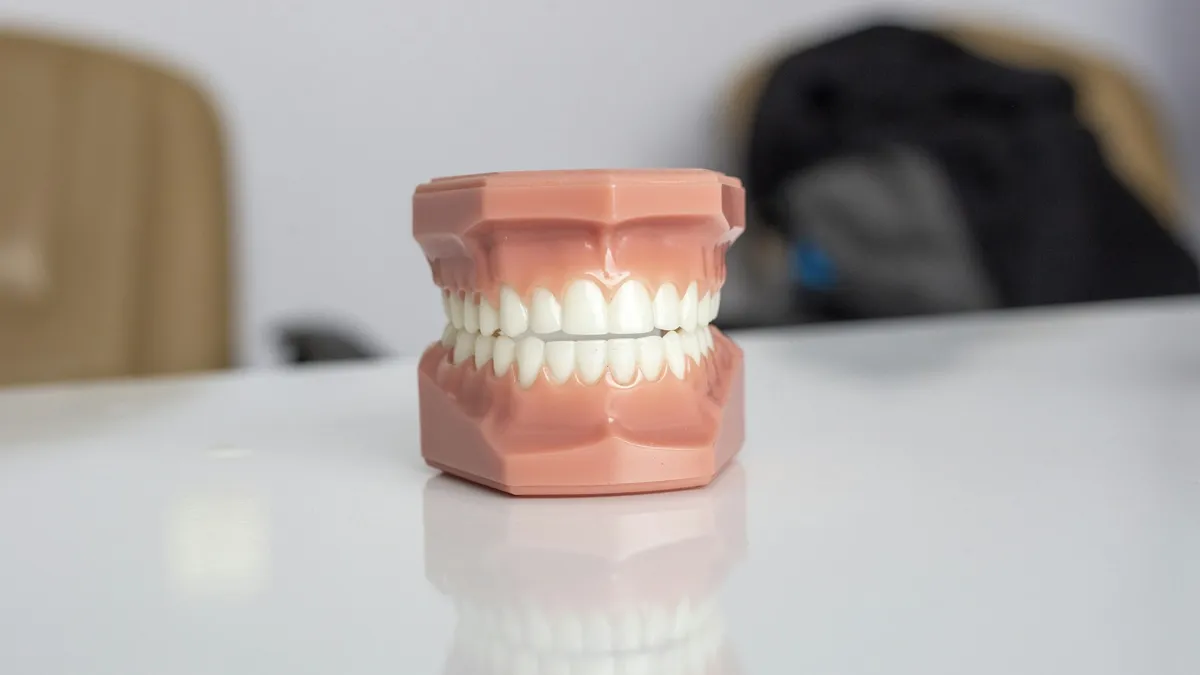

A denture reline is a procedure that reshapes the fitting surface of a denture so that it sits snugly against the gums again. Over time, the shape of the mouth changes, and a denture that once fitted well can start to feel loose, rub sore spots, or slip when you eat or speak. A reline adds a new layer of material to the inside of the denture, filling the gap that has opened up between the denture and the gums.
It is one of the most common pieces of denture maintenance there is, and it is usually much simpler and quicker than having a new denture made. Most relines are finished within a day or two, many are done while you wait, and the result is a denture that feels secure and comfortable again. This guide explains what a reline involves, the different types, how to tell when you need one, and what to ask your dentist before you book.
Key takeaways
- A reline adds new material to the fitting surface so a loose denture grips the gums again.
- Gums and jawbone change shape over time, so even a good denture gradually loosens.
- Soft relines cushion sore gums; hard relines last longer and suit most wearers.
- Many relines are finished in one appointment or within a day or two.
- A reline cannot fix a cracked denture, worn teeth, or a wrong bite.
- Shop-bought adhesives are not a long-term answer for loose dentures.
Why dentures loosen over time
A denture rests on the gums and the bony ridge underneath them, and that ridge does not stay the same shape for ever. After teeth are removed, the bone that once held them slowly changes, and the gums thin and settle. This is a gradual process, and it continues for the rest of a denture wearer’s life, although it is fastest in the first months after teeth are taken out. The result is that the denture and the mouth slowly stop matching each other, and the denture begins to move.
Weight changes can add to the problem, since losing or gaining weight alters the soft tissues of the face and mouth. None of this means the denture was badly made. A good denture fits the mouth as it was on the day it was made, and the mouth is a living structure that keeps changing. That is why dentists expect dentures to need relining from time to time.
What happens during a denture reline
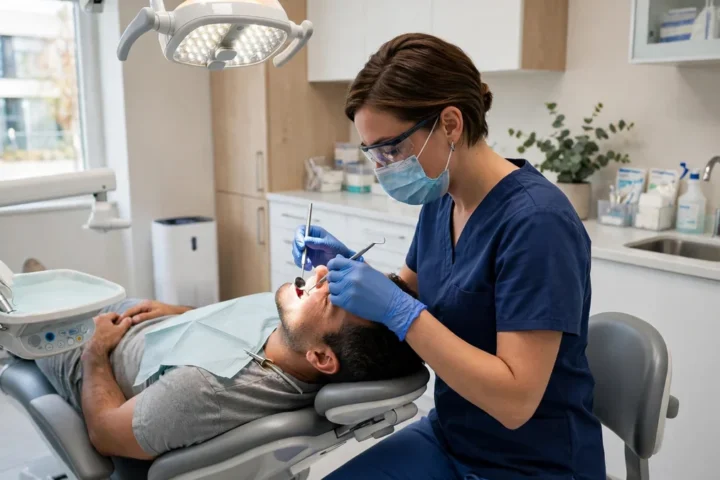
A reline starts with an examination. The dentist checks the denture for cracks, worn teeth and sharp edges, and looks at the gums for sore spots, swelling or signs of infection. If the denture is basically sound and the only problem is the fit, a reline is the right answer. If the denture is damaged or the bite has changed a great deal, the dentist may suggest a repair, a rebase, or a new denture instead.
For a chairside reline, the dentist cleans the denture, roughens the fitting surface slightly, and applies a soft material that moulds itself to the shape of the gums. You bite gently into position while the material sets, which takes only a few minutes. The dentist then trims the edges, checks the bite, and polishes the denture. You leave with the same denture, now refitted to your mouth.

A laboratory reline takes longer, usually a day or two. The dentist takes an impression of the mouth with the denture in place, using a soft material that records the exact shape of the gums. The denture goes to a dental laboratory, where a technician adds a new layer of hard acrylic to the fitting surface, following the impression. You may be without the denture while this is done. The laboratory method generally gives a more accurate and longer-lasting result than a chairside reline.
Soft relines and hard relines
The two main types of reline use different materials, and the choice depends on the condition of your gums. A soft reline uses a flexible, cushion-like material that stays slightly springy. It is the usual choice when the gums are sore, thin or tender, or when the bony ridge underneath has sharp areas that press painfully against a hard denture.
Soft relines do not last as long as hard ones. The material gradually hardens, can pick up stains and odours, and may need replacing sooner. A hard reline uses rigid acrylic, the same kind of material the denture itself is made from. It feels like the original denture, it is easy to keep clean, and it usually lasts longer.
Signs that you need a reline
The clearest sign is movement. If your denture rocks, slips when you talk, or lifts when you eat, the fit has changed enough to need attention. Food trapping underneath the denture is another common sign, as is a denture that needs more and more adhesive to stay in place. Adhesive can help a well-fitting denture in the short term, but if you are using it every day just to keep the denture in, the underlying fit is the problem, and a reline will do more than any amount of paste.
Sore spots are a warning that should not be ignored. A loose denture rubs as it moves, and the rubbing can cause ulcers that are painful and slow to heal. Speech changes can also point to a poor fit: if you notice yourself lisping, whistling on certain sounds, or clicking when you talk, the denture may be moving as you speak.
What a reline cannot fix
A reline is a fitting procedure, not a repair for every denture problem. It cannot fix a denture that is cracked or broken, and it cannot replace teeth that have worn flat or chipped. Worn denture teeth change the way the upper and lower jaws meet, and that affects chewing and the shape of the face. If the teeth are worn, the dentist may suggest replacing them or making a new denture rather than relining the old one.
It also cannot correct a bite that has shifted a great deal. A reline cannot make up for bone loss that has gone too far for a conventional denture to grip at all; in that case the dentist may talk about implants that hold the denture in place.
How much does a denture reline cost
There is no single price for a denture reline, and anyone who quotes one without seeing the denture is guessing. The cost depends on the type of reline, whether it is done in the chair or in a laboratory, where you live, and whether the practice is private or part of a public scheme. A chairside soft reline is generally the least expensive option, while a laboratory hard reline costs more because of the technician’s work.
The honest way to find out the price is to ask for a written estimate before treatment begins. A good practice will give one without fuss and will explain what is included, such as the examination, any adjustments, and a review appointment. It is also worth asking how long the reline is expected to last, so you can judge the value rather than just the price.
| Reline type | Material | Best for |
|---|---|---|
| Chairside soft reline | Flexible cushioning material | Sore or tender gums, quick comfort |
| Chairside hard reline | Rigid acrylic | Routine refitting in one visit |
| Laboratory hard reline | Rigid acrylic, lab finished | Most accurate, longest lasting fit |
| Laboratory soft reline | Flexible material, lab finished | Delicate gums needing lasting cushioning |
| Tissue conditioner | Soft temporary material | Healing gums, short-term use only |
| No reline, new denture | New acrylic and teeth | Cracked, worn or badly fitting dentures |
Looking after a relined denture
A relined denture needs the same daily care as any denture. Take it out at night unless your dentist tells you otherwise, brush it daily with a soft brush and a cleaner made for dentures, and rinse it after eating. Do not use hot water, which can warp the acrylic, and do not use ordinary toothpaste, which is abrasive enough to scratch the surface over time.
After a reline, expect a short settling-in period. The denture may feel tight or slightly strange for a day or two while the gums adjust to the new fit. Mild soreness in the first day or two is common, but pain that persists, sharp spots, or ulcers that do not heal should be checked by the dentist, who can make a small adjustment. Do not try to adjust the denture yourself with a file or a knife: it is easy to damage the fitting surface and make the problem worse.
Your denture reline checklist
Use this list before and after your appointment, so the reline goes smoothly and lasts as long as it should.
- Note when the denture started feeling loose and what makes it slip.
- Book a dental examination so the dentist can check the denture before relining it.
- Ask whether a soft or hard reline suits your gums, and how long it should last.
- Ask if the reline is chairside or laboratory work, and how long you will be without the denture.
- Get a written estimate before treatment, including any review appointment.
- Tell the dentist about sore spots, dry-mouth medicines and allergies.
- Take the denture out at night; clean it daily with a denture cleaner.
- Expect a day or two of settling in; report pain that does not improve.
- Do not file or adjust the denture yourself if it rubs.
- Book your next check-up before you leave.
Frequently asked questions
How long does a denture reline take?
A chairside reline is usually finished in a single appointment, often within the hour. A laboratory reline takes longer, usually a day or two.
How often should dentures be relined?
There is no fixed schedule, because mouths change at different rates. Many wearers need a reline every few years, and more often in the first year after teeth are removed. A yearly dental check-up is the best way to judge the timing.
Is a denture reline painful?
It should not be. The dentist applies the new material while the denture is in your mouth, which feels like pressure rather than pain. The gums may feel tender for a day or two afterwards.
Can I eat normally after a reline?
Yes, although it is sensible to start with softer foods on the first day while the fit settles. Chew on both sides so the pressure is even.
What is the difference between a reline and a rebase?
A reline replaces only the fitting surface of the denture, the part that touches the gums. A rebase replaces the whole pink base while keeping the existing teeth, and is used when the base itself is worn or damaged.
Can I use a shop-bought reline kit instead?
Shop-bought kits exist, but dentists generally advise against them. The material can irritate the gums, it is hard to apply evenly at home, and it can hide a problem that needs professional attention.
The bottom line
A denture reline is a simple, routine way to make a loose denture fit properly again, by reshaping its fitting surface to match the mouth as it is now. It is quicker and less disruptive than a new denture, it usually costs less, and for most wearers it restores the comfort and confidence that a slipping denture takes away. The key is to have the fit checked regularly and to ask for a written estimate before treatment begins. For more on looking after false teeth, see our guide to how much do dentures cost, our guide to dental fillings near me, and our guide to walk-in dentist near me.
This article is general information, not dental advice. If you have pain, swelling, sores that do not heal, or a denture that is broken, see a dentist promptly.