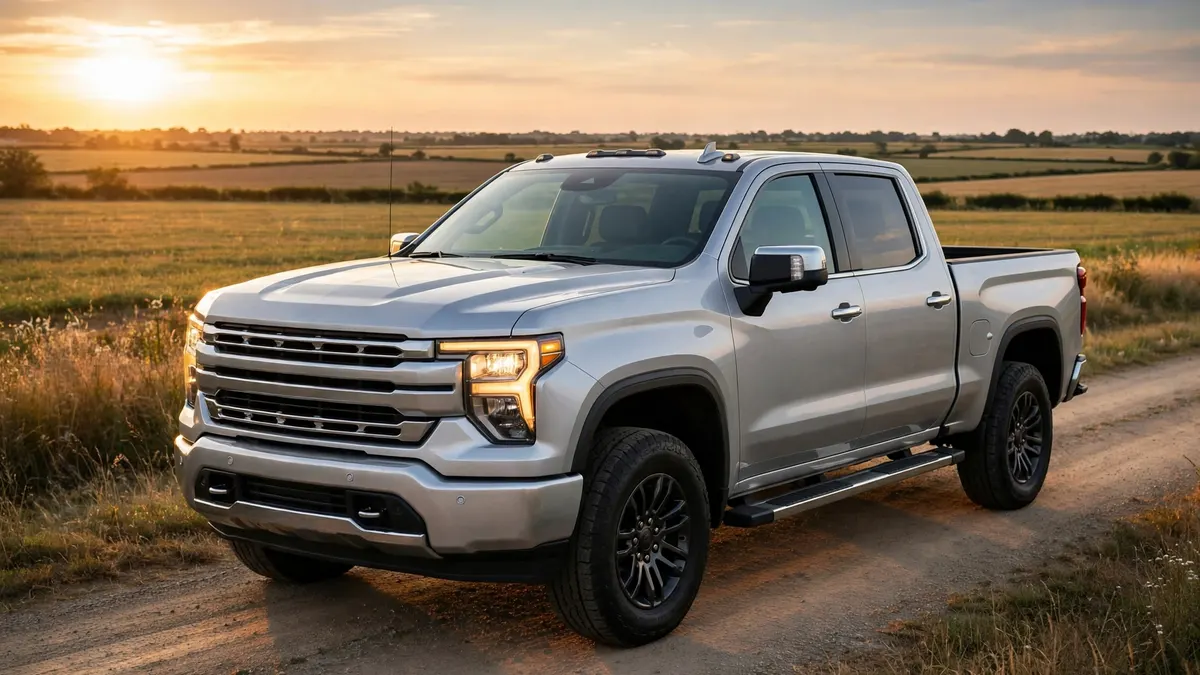

If you are looking at a ford f150 for sale, the first thing to understand is that the F-150 is not one truck but a whole range of them, and the right choice depends on how you will use it. The central question is simple: which F-150 suits your needs, and what should you check before you buy? The short answer is that a work-focused XL or XLT suits hauling and daily driving, a Lariat or Platinum suits comfort and long trips, and an off-road Tremor or Raptor suits rough ground — and whichever you choose, a careful inspection matters more than the badge on the tailgate.
Key takeaways
- The F-150 range runs from work-focused XL and XLT trims to luxury-leaning King Ranch and Platinum models.
- Engine choice matters: a V6 suits daily driving, a V8 suits heavy towing, and the hybrid suits mixed use.
- Cab size and bed length change how the truck fits your life — check both before you buy.
- Used trucks need a full history check, a rust inspection, and a test drive on varied roads.
- New trucks offer a warranty and the latest safety features, but cost more up front.
- Towing and payload ratings vary by engine, axle, and cab — always check the rating of the exact truck.
Why the F-150 is so popular
The Ford F-150 has been one of the best-selling vehicles in the United States for decades, and its popularity comes from its range. It is a full-size pickup that can be a work truck, a family vehicle, a towing machine, and an off-road vehicle, depending on how it is specified. The current generation uses an aluminium-alloy body, which Ford introduced with the 2015 model year, and a high-strength steel frame, a combination designed to save weight while keeping the truck strong.
Understanding the trim range
The trim range is the ladder of equipment and comfort, and it starts with the XL, the work truck of the range. The XL is deliberately simple, with steel wheels, a basic interior, and the essentials covered, and it is the trim most often chosen by fleets and by buyers who want a capable truck without paying for luxury features. Above it sits the XLT, which adds comfort and convenience features and is often the best value for a buyer who wants a truck for both work and family use.
The Lariat is the middle of the range, and it is where the F-150 starts to feel like a comfortable family vehicle, with better interior materials, more technology, and more driver assistance features. Above the Lariat sit the King Ranch and the Platinum, which are the luxury trims, with leather, wood trim, and a long list of comfort features. The King Ranch has a Western theme in its design, while the Platinum leans towards a more modern luxury feel. Both are aimed at buyers who spend long hours in the truck and want it to feel like a premium vehicle.
Which trim suits which buyer?
A buyer who needs a truck mainly for work, towing a trailer, or carrying tools will usually be well served by an XL or XLT, where the money goes into capability rather than comfort. A buyer who will use the truck as the family car, for long trips and the school run as well as for weekend jobs, will usually find the Lariat the best balance. A buyer who wants the most comfort, and who spends hours on the road, may prefer the King Ranch or Platinum. The Tremor and Raptor suit buyers who genuinely drive off-road, rather than buyers who only like the look, because the off-road setup brings compromises in ride comfort and running costs.
Engines and drivetrains
The F-150 has been offered with several engines, and the right choice depends on what you will ask the truck to do. The smaller turbocharged V6 engines, including the 2.7-litre EcoBoost, suit daily driving and lighter towing, and they are generally the most economical choice in normal use. The larger 3.5-litre EcoBoost V6 offers more power and stronger towing, and it is a popular choice for buyers who tow regularly. The 5.0-litre V8 suits buyers who prefer a naturally aspirated engine, and who tow heavy loads or simply like the feel of a V8.
Cab and bed choices
The F-150 is offered with three cab sizes, and the choice changes how the truck fits your life. The Regular Cab has a single row of seats and the longest bed, and it suits work use. The SuperCab has a smaller rear seat and rear doors that open after the front doors, and it suits buyers who sometimes carry rear passengers. The SuperCrew has four full doors and a roomy rear seat, and it is the most popular choice for family use, because it has proper space for adults in the back.

New versus used
Buying new has clear advantages. You get a full warranty, the latest safety and driver assistance features, and the choice of exactly the trim, engine, cab, and colour you want. You also get a truck with no history to worry about. The disadvantage is the cost, and the fact that a new vehicle loses value fastest in its first years, which matters if you plan to sell it on soon.
Buying used can offer much better value, especially if you choose a truck that is a few years old and has been well maintained. The risk is that you inherit someone else’s problems, so the checks matter more. A full service history, a clean title, and a pre-purchase inspection by an independent mechanic are the three things that most reduce the risk. If a seller cannot provide a service history, or will not allow an inspection, that is a reason to walk away.
| Trim | Best for | What to expect |
|---|---|---|
| XL | Work use and fleets | Simple, capable, and practical |
| XLT | Work and family use | Good value with added comfort |
| Lariat | Daily driving and long trips | Comfortable interior and more technology |
| King Ranch | Luxury with a Western theme | Leather, wood trim, and premium features |
| Platinum | Modern luxury | Top comfort and driver assistance features |
| Tremor / Raptor | Serious off-road use | Raised suspension and off-road equipment |
What to check on a used F-150
Start with the paperwork. Ask for the service history, check that the mileage is consistent with the records, and look for any record of accidents or major repairs. A history report can show whether the truck has been in a serious accident, whether it has a salvage title, and whether there are any outstanding recalls. If the truck has been used for heavy towing, ask what it towed and how often, because heavy towing wears the transmission and brakes faster.
Under the bonnet, look for leaks, check the oil and coolant levels, and listen for unusual noises when the engine starts. Check the tyres for even wear, which can reveal alignment or suspension problems, and check that all four tyres match. Inside, test every switch, the air conditioning, the infotainment screen, and the driver assistance features. A test drive should cover town roads, a faster road, and, if possible, a rough surface, so you can listen for rattles, check the brakes, and feel how the steering responds.
Your Ford F-150 checklist
- Decide how you will use the truck before you choose a trim or an engine.
- Pick the cab size that fits your passengers, and the bed length that fits your loads.
- Check the towing and payload rating of the exact truck, not the range in general.
- For a used truck, ask for the full service history and a history report.
- Inspect the underside, wheel arches, and bed for rust and accident damage.
- Test every switch, the air conditioning, and the driver assistance features.
- Take a test drive on town roads, a faster road, and a rough surface if possible.
- If the truck has four-wheel drive, engage it and check that it works smoothly.
- Have a used truck inspected by an independent mechanic before you commit.
- Check that the truck fits your garage or driveway, including its full length.
Frequently asked questions
Which Ford F-150 trim is best?
There is no single best trim, because it depends on how you will use the truck. The XLT is often the best value for mixed work and family use, the Lariat is a good balance of comfort and capability, and the King Ranch and Platinum suit buyers who want the most comfort. The Tremor and Raptor suit genuine off-road use rather than everyday driving.
Is a used F-150 a good buy?
It can be, if the truck has a full service history and passes an independent inspection. A well-maintained F-150 that is a few years old often offers much better value than a new one. The risk is higher than with a new truck, so the history check and the inspection matter more than the price.
What engine should I choose in an F-150?
For daily driving and lighter towing, a smaller turbocharged V6 is usually enough. For regular heavy towing, the larger 3.5-litre EcoBoost V6 or the 5.0-litre V8 are the common choices. The PowerBoost hybrid suits mixed use and can act as a generator, while the Raptor models have their own high-performance engines.
What is the difference between SuperCab and SuperCrew?
The SuperCab has a smaller rear seat with rear doors that open after the front doors, while the SuperCrew has four full doors and a roomy rear seat with proper space for adults. The SuperCrew is the most popular choice for family use, while the SuperCab suits buyers who only sometimes carry rear passengers.
Should I buy a new or used F-150?
A new truck gives you a full warranty, the latest safety features, and the exact specification you want, but it costs more. A used truck offers better value, but you need a service history, a history report, and an independent inspection. Certified pre-owned trucks sit between the two, with an inspection and a warranty at a higher price than a private sale.
What should I check before buying a used F-150?
Check the service history and mileage, look for rust underneath and around the wheel arches, test the four-wheel drive if it has one, and take a test drive on varied roads. Most importantly, have the truck inspected by an independent mechanic before you commit, and walk away if the seller will not allow an inspection.
The bottom line
A Ford F-150 for sale can be a work truck, a family vehicle, or an off-road machine, and the right one is the one that matches how you will actually use it. Start with your needs, choose the trim, engine, cab, and bed to match, and then inspect the truck carefully — especially if it is used, where a service history and an independent inspection matter more than anything else. The F-150’s range is its greatest strength, but it is also what makes a careful choice essential. For related buying and maintenance reading, see our guide to 2026 Ford F-150 engine changes, our overview of car AC repair, and our guide to car window tinting near me.
Please note: this article is general guidance only, not financial or mechanical advice. Towing and payload ratings vary by the exact truck, so check the rating plate and the owner’s manual of the vehicle you are considering, and have any used vehicle inspected by a qualified mechanic before you buy.