
The best ensalada de garbanzos near me is usually found at a Spanish, Puerto Rican or Mediterranean restaurant, deli or market that makes its salads fresh each day. The short answer is that a good one is bright, crunchy and well seasoned, with firm chickpeas, crisp vegetables, fresh herbs and a sharp vinaigrette, and the best way to find it is to search for the dish by name and read recent reviews that mention it specifically.
This guide explains what the dish is, the three main styles, what separates a great version from a tired one, and how to judge a new place before you order.
Key takeaways
- Ensalada de garbanzos is a chickpea salad, a staple of Spanish, Puerto Rican and Mediterranean cooking, built on chickpeas, vegetables, herbs and a vinaigrette.
- The three main styles are Mediterranean, Puerto Rican and Spanish, and they differ in dressing, vegetables and extras such as feta, corn or cured ham.
- A good version has firm chickpeas, crisp vegetables, fresh herbs and a bright dressing, and it should taste fresh, not soggy or flat.
- Search for the dish by its Spanish name, check recent reviews that mention it, and look for places that make salads fresh daily.
- Most versions are naturally vegetarian, and many are vegan if you skip the cheese and egg, but always ask about the dressing and extras.
- It keeps well for a day or two in the fridge, and it often tastes better after an hour, once the chickpeas have taken in the dressing.
What ensalada de garbanzos is
Ensalada de garbanzos is Spanish for chickpea salad. Garbanzos are chickpeas, the round beige legume known by both names in different regions, and the salad is one of the most common cold dishes in Spanish-speaking cooking, served as a side, a light lunch or part of a spread of small plates.
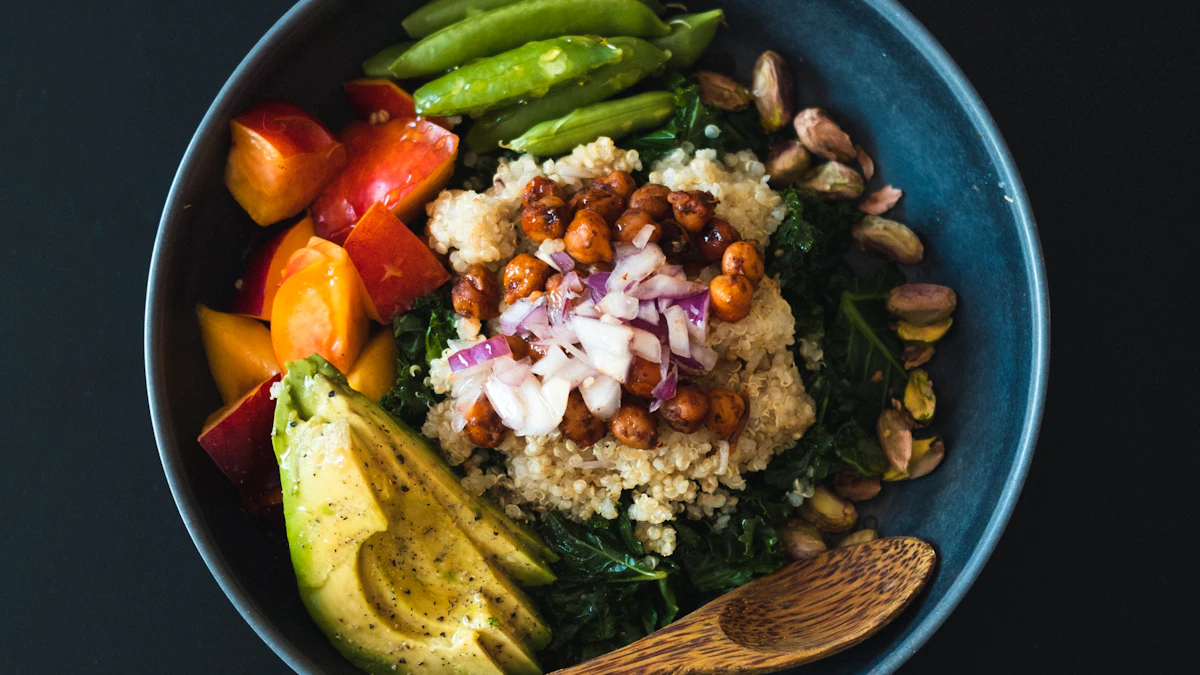
The core of the dish barely changes. Cooked chickpeas are tossed with diced cucumber, tomato, red onion and bell pepper, fresh herbs such as parsley, mint or cilantro, and a simple dressing of extra virgin olive oil, lemon juice or vinegar, garlic, cumin, salt and pepper. That combination is bright, crunchy and filling, and it needs no cooking beyond preparing the chickpeas themselves.
Chickpeas are the reason the salad works as a meal rather than a garnish. They are a good source of plant protein and fibre, which makes the salad satisfying without meat. Canned chickpeas work well, provided they are rinsed and drained, while dried chickpeas need soaking overnight and cooking until tender.
The three main styles
Although the base is the same, the dish changes character from place to place, and knowing the styles helps you order well. The Mediterranean version is probably the most widely served. It pairs chickpeas with cucumber, cherry tomatoes, red bell pepper and red onion, adds capers, mint and parsley, and finishes with crumbled feta and a lemon and olive oil dressing with a little cumin.
The Puerto Rican version is a staple side dish, often served with rice, roast pork or fried plantains. It uses chickpeas, corn, bell pepper, red onion and grape tomatoes, and the dressing is a garlic and lime vinaigrette with cilantro, olive oil and apple cider vinegar. The lime and garlic give it a sharper, more aromatic edge than the Mediterranean version.
The Spanish version, from Spain itself, is the most substantial of the three. It typically adds roasted red peppers, cured ham and chopped hard-boiled egg to the chickpeas and tomato, with spring onion, garlic, extra virgin olive oil, white wine vinegar and parsley. The ham and egg make it richer and more savoury, and it is often served as a first course rather than a side.
A Mexican-style variation also circulates, with avocado, jalapeño and cilantro in a white wine vinaigrette. Menus rarely label these styles, so the ingredient list is the best guide: feta and mint point to the Mediterranean, corn and lime point to Puerto Rico, and ham and egg point to Spain.
How to find the best one near you
Start with the dish name itself. Search for “ensalada de garbanzos” plus your town or neighbourhood, and include “near me” so map results appear. Spanish restaurants, Puerto Rican restaurants, Mediterranean delis and Latin markets are the most likely places to serve it, and a place that lists it on its menu is a better bet than one that only offers a generic mixed salad.
Then read the reviews properly. Look for recent reviews that mention the chickpea salad by name, rather than a restaurant’s overall star rating. A place with three recent mentions of a great garbanzo salad is a better lead than a highly rated restaurant where nobody mentions the dish.
Call ahead. Small delis and markets often make salads in batches and sell out by the afternoon, and a quick call can confirm whether it is available today, whether it is made fresh, and which style they serve. Ask whether the chickpeas are canned or cooked from dried, whether the dressing is made in house, and whether the feta or ham can be left out if you do not eat them.

What makes a great one
A great ensalada de garbanzos is easy to recognise once you know what to look for. The chickpeas should be firm and separate, never mushy, and they should taste of the dressing rather than of the tin. If they are soft and pale and the salad tastes of nothing, the chickpeas were probably under-seasoned or the salad was made too long ago.
The vegetables should be crisp and freshly cut. Cucumber and pepper should snap, tomato should be juicy rather than watery, and onion should be sharp but not overpowering. Herbs should look green and smell fresh, not dark and wilted. A salad that has sat for days in a display case loses all of these qualities at once.
The dressing is the third test. It should be bright and sharp, with the acidity of lemon, lime or vinegar balancing the olive oil. A good dressing coats the chickpeas without pooling at the bottom of the container.
Finally, look at the balance of the bowl. Chickpeas should dominate, with vegetables and herbs in support. A salad that is mostly lettuce or mostly onion is not really a chickpea salad.
The three styles compared
The comparison below sums up the three main styles so you can tell them apart on a menu, or describe the one you want when you order.
| Feature | Mediterranean | Puerto Rican | Spanish |
|---|---|---|---|
| Key vegetables | Cucumber, tomato, red pepper | Corn, pepper, grape tomatoes | Tomato, roasted red pepper |
| Herbs | Parsley and mint | Cilantro | Parsley and spring onion |
| Dressing | Lemon, olive oil, cumin | Garlic and lime vinaigrette | Olive oil and white wine vinegar |
| Extras | Feta and capers | None, or avocado | Cured ham and hard-boiled egg |
| Flavour | Bright and herby | Sharp and aromatic | Rich and savoury |
| Usually served with | Grilled fish or bread | Rice, pork or plantains | As a first course |
Making it at home
If you cannot find a good version near you, the dish is one of the easiest to make at home, and a homemade batch lets you control the seasoning. Start with two cans of chickpeas, rinsed and drained, and add a diced cucumber, a diced red bell pepper, a cup of halved cherry tomatoes and a finely diced quarter of a red onion.
For the dressing, whisk together a quarter cup of extra virgin olive oil, two tablespoons of lemon juice, a teaspoon of red wine vinegar, half a teaspoon of ground cumin, salt and pepper. Pour it over the salad with chopped parsley and mint, then toss and leave it for at least an hour.
That hour matters. Chickpeas are dense, and they need time to absorb the dressing. Keep it in the fridge and eat it within two days, and do not add avocado until you serve it, or it will brown.
Your ensalada de garbanzos checklist
- Search for the dish by its Spanish name, “ensalada de garbanzos”, plus your town or neighbourhood.
- Look for Spanish, Puerto Rican or Mediterranean restaurants, delis and markets that list it on the menu.
- Read recent reviews that mention the chickpea salad by name, not just the restaurant’s overall rating.
- Call ahead to check it is available today, freshly made, and which style they serve.
- Check the chickpeas are firm and separate, not mushy or pale, and that they taste of the dressing.
- Look for crisp vegetables, green fresh herbs and a bright, sharp dressing that coats without pooling.
- Ask whether the dressing is made in house, and whether feta, ham or egg can be left out.
- Try a small portion first at a market stall or deli counter before buying a large tub.
- Store leftovers in the fridge and eat them within two days, and add avocado only at serving time.
- If you make it at home, rest the salad for at least an hour so the chickpeas absorb the dressing.
Frequently asked questions
What is ensalada de garbanzos?
Ensalada de garbanzos is Spanish for chickpea salad, a cold dish of cooked chickpeas tossed with cucumber, tomato, onion, peppers, fresh herbs and a vinaigrette. It is a staple of Spanish, Puerto Rican and Mediterranean cooking, served as a side, a light lunch or part of a spread of small plates.
Where can I find the best ensalada de garbanzos near me?
Spanish, Puerto Rican and Mediterranean restaurants, delis and Latin markets are the most likely places to serve it. Search for the dish by name with your location, read recent reviews that mention it specifically, and call ahead to confirm it is available and freshly made.
Is ensalada de garbanzos vegan?
Many versions are vegan, but not all. The Mediterranean style usually includes feta, and the Spanish style usually includes cured ham and hard-boiled egg. Ask the restaurant what is in the dressing and the extras, and request a version without cheese, ham or egg if you need one.
What is the difference between the Puerto Rican and Spanish versions?
The Puerto Rican version uses corn, bell pepper and grape tomatoes with a garlic and lime vinaigrette and cilantro, giving it a sharp, aromatic flavour. The Spanish version adds roasted red peppers, cured ham and hard-boiled egg, with olive oil and white wine vinegar, making it richer and more savoury.
How long does chickpea salad keep?
It keeps well for a day or two in the fridge in a sealed container, and it often tastes better after an hour. Do not add avocado until serving time, and discard it if the vegetables have gone soft or the dressing smells off.
Can I make ensalada de garbanzos at home?
Yes, it is one of the easiest salads to make. Rinse two cans of chickpeas, add diced cucumber, pepper, cherry tomatoes and red onion, then toss with olive oil, lemon juice, red wine vinegar, cumin, parsley and mint. Rest it for an hour before serving.
The bottom line
The best ensalada de garbanzos near you is the one that tastes fresh: firm chickpeas, crisp vegetables, green herbs and a sharp dressing, made that day. Search by the Spanish name, read reviews that mention the salad itself, and try a small portion before you buy a large one. If no good version turns up nearby, the homemade version is simple, cheap and often better than a tired deli tub. If the search works up an appetite for more kitchen projects, our guide to the best slow cooker can help with the next one, our guide to the best tea brands covers a drink to go with it, and our guide to the best dog breeds for families is there for the walk afterwards.