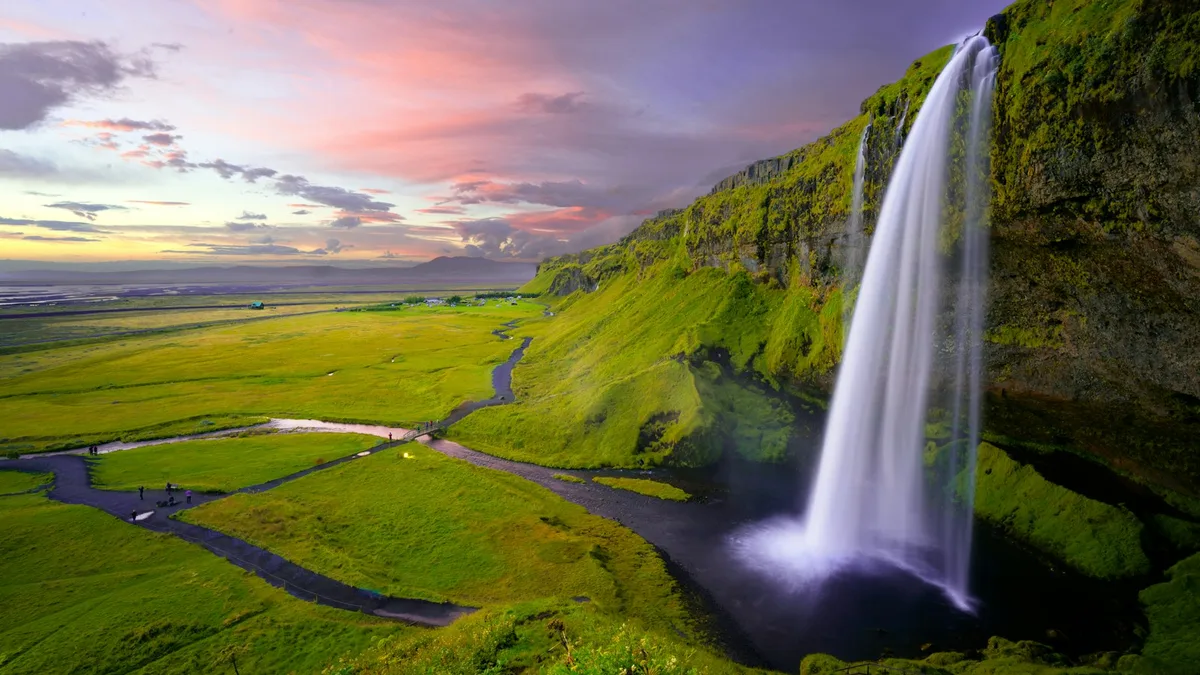

The best places to visit in Norway are the western fjords, the cities of Bergen and Oslo, and the Arctic islands and towns of the far north. Geirangerfjord and the Nærøyfjord lead the fjord list, Bergen is the most atmospheric gateway city, Lofoten is the most photographed island group, and Tromsø is the best base for the northern lights. Pick one region, travel slowly, and the country rewards you.
Norway is a long, narrow country, about 1,750 kilometres from its southern coast to its border with Russia as the crow flies, and far longer along its fjord-cut coastline. A week spent in one region, with a few bases and day trips, gives a far better holiday than a week spent driving between regions.
Key takeaways
- Geirangerfjord and the Nærøyfjord are the headline fjords, both listed by UNESCO, and both are best seen from the water.
- Bergen, with its Bryggen wharf, is the natural gateway to the western fjords and works in any season.
- Lofoten combines fishing villages, white beaches and steep peaks, and suits a slow road trip of three to five days.
- Tromsø is the most practical base for northern lights trips in winter and the midnight sun in summer.
- Oslo has changed in recent years, with a walkable opera house, the MUNCH museum and a lively harbour sauna culture.
- June to August suits fjords and hiking, late September to March suits the northern lights, and May and September are the quieter months.
Geirangerfjord, the postcard fjord
Geirangerfjord is the fjord most people picture when they think of Norway: deep green water, near-vertical cliffs and waterfalls pouring straight into the sea. The Seven Sisters waterfall fans out across the rock face, opposite a single cascade that locals nicknamed the Suitor. The fjord is about 15 kilometres long, and the village of Geiranger sits at its head.
The best way to see it is from the water, on a fjord cruise or from a kayak at water level, where the scale of the cliffs becomes clear. From above, the Ørnesvingen and Flydalsjuvet viewpoints give the classic photographs, with the fjord bending away below.
Best for: first-time visitors who want the single most dramatic fjord view, and photographers who want waterfalls, cliffs and still water in one frame.
The Nærøyfjord and the Sognefjord
The Nærøyfjord, a narrow arm of the much larger Sognefjord, shares the UNESCO listing with Geirangerfjord, and it feels different: narrower, steeper and more enclosed, with small farms clinging to the slopes. It is the centrepiece of the popular Norway in a Nutshell route, which combines trains, buses and boats between Bergen, Flåm and Oslo.
The Sognefjord itself is Norway’s longest and deepest fjord, and its side arms reach far inland. Flåm, at the end of the Aurlandsfjord, is the base for the Flåm Railway, which climbs about 866 metres from the fjord up to the mountain station at Myrdal. The ride takes about an hour each way and runs all year, making it one of the easiest scenic journeys in the country.
Best for: travellers who want a fjord cruise without a car, and anyone combining Bergen and Oslo by public transport.
Bergen and the Bryggen wharf
Bergen is Norway’s most atmospheric city, and the Bryggen wharf is its heart: rows of colourful timber buildings from its Hanseatic trading past, now listed by UNESCO. Behind the wharf, narrow lanes and wooden houses climb the hillside, and the Fløibanen funicular carries visitors up Mount Fløyen for views over the city and the harbour.
Bergen is also famously wet, so pack a waterproof jacket whatever the season, and treat rain as part of the city’s character rather than a reason to stay indoors. The fish market by the harbour, the city’s museums and its cafés all work in wet weather, and a clear evening after rain can be the best time of all.
Best for: a city stay with history, food and harbour views, and a base for the western fjords.
Lofoten, the Arctic islands
The Lofoten Islands sit above the Arctic Circle, and they look unlike anywhere else in Norway: granite peaks rising straight out of the sea, red fishermen’s cabins called rorbuer on stilts over the water, cod drying on wooden racks, and white beaches that would look tropical if the water were not so cold. The villages of Reine, Hamnøy, Henningsvær and Nusfjord are the most photographed, and each has its own character.
Lofoten suits a slow road trip of three to five days, with a car, a few nights in one or two villages, and hikes such as Reinebringen and Ryten when the weather allows. In summer the midnight sun keeps the light going late into the night, while in winter the islands are quieter and the northern lights appear on clear nights.
Best for: photographers, hikers and anyone who wants Norway’s most dramatic coastal scenery at a walking pace.
Tromsø and the far north
Tromsø is often called the capital of the Arctic, and it is the most practical base in the far north: it has regular flights, plenty of tours, a lively city centre and the Arctic Cathedral by the water. In winter, from late September to late March, it is a base for northern lights tours, dog sledding and whale watching in the nearby fjords, where orcas and humpback whales gather roughly from November to January.
In summer, Tromsø has the midnight sun, with daylight that lasts through the night, and the city makes a good base for trips into the Lyngen Alps or out to the island of Senja, a quieter alternative to Lofoten. Allow at least three or four nights in the north for the northern lights, so that a cloudy night does not end the trip.
Best for: northern lights hunters, winter travellers and anyone who wants Arctic Norway with good transport and tour options.
Oslo and the south
Oslo is no longer a city to skip on the way to the fjords. The Opera House, with its sloping white roof that visitors can walk on, sits by the harbour, and the MUNCH museum nearby holds a large collection of the artist’s work. The harbour sauna culture has become one of the city’s most enjoyable habits: a hot sauna followed by a cold dip in the fjord.
South of Oslo, the coast has small white towns, beaches and islands that suit a slower summer trip, while inland, the Hardangerfjord area has fruit orchards, glaciers and the Vøringsfossen waterfall. The Hardangerfjord is at its prettiest in blossom season, usually a few weeks from around mid-May, when the orchards turn the hillsides pink and white. Stavanger, on the south-west coast, is the gateway to the Lysefjord and the Preikestolen hike, a moderate walk of about four hours that ends on a flat-topped cliff above the water.
Best for: a city break with museums, food and saunas, and a gentler introduction to Norway before heading west.

Your Norway trip checklist
Run through this list before you book, and again before you travel.
- Have you chosen one region for a first trip, rather than trying to cover the whole country?
- Have you matched the season to your goal: summer for fjords and hiking, winter for the northern lights?
- Have you booked a base in Bergen, Flåm, Geiranger or Ålesund for the fjords, rather than moving every night?
- Have you allowed three or four nights in the north if you hope to see the northern lights?
- Have you packed a waterproof jacket and layers, whatever the month?
- Have you checked whether mountain roads and passes are open for your dates?
- Have you booked Lofoten accommodation early if you are travelling in summer?
- Have you planned a fjord cruise or a ride on the Flåm Railway in advance?
- Have you left time in each day for weather, since fjord weather changes quickly?
- Have you checked entry rules, transport times and opening hours shortly before you travel?
How the main regions compare
| Region | Best season | Main draw | Getting around | Best suited to |
|---|---|---|---|---|
| Western fjords | May to September | Geirangerfjord, Nærøyfjord, Flåm Railway | Boat, train, car | First-time visitors |
| Bergen | Year-round | Bryggen wharf, Fløyen, fish market | On foot, funicular | City stays and fjord gateways |
| Lofoten | June to September, February to March | Fishing villages, peaks, beaches | Car, ferry | Photographers and hikers |
| Tromsø and the north | Late September to March | Northern lights, Arctic Cathedral | Flights, tours | Winter and aurora trips |
| Oslo and the south | Year-round, best May to September | Opera House, MUNCH, harbour saunas | On foot, train | City breaks and gentle starts |
Frequently asked questions
What is the best place to visit in Norway for a first trip?
Bergen and the western fjords make the best first trip, with Bryggen, a fjord cruise on the Nærøyfjord or Geirangerfjord, and a ride on the Flåm Railway. The area is easy to reach, works by public transport, and gives the scenery most people travel to Norway to see.
When is the best time to visit Norway?
June to August suits fjords, hiking and the midnight sun, while late September to March suits the northern lights in the far north. May and September are the quieter months, with fewer visitors, full waterfalls in May and autumn colour in September.
Can you see the northern lights in Norway in summer?
No, the nights are too light from late April to mid-August, and the midnight sun shines in the far north. The aurora season runs roughly from late September to late March, with the best odds from November to February in Tromsø, Lofoten and Alta.
How many days do you need in Norway?
A week works well for one region, such as Bergen and the fjords, or Lofoten with a few nights in one village. Two weeks allows two regions at a comfortable pace, while a long weekend suits Oslo or Bergen alone.
Is Lofoten worth visiting?
Yes, for most travellers who enjoy coastal scenery, fishing villages and walking. It is one of the most beautiful parts of Europe, but it rewards a slow trip of three to five days rather than a rushed day visit.
Do you need a car in Norway?
Not always. Bergen, Oslo and Tromsø work well on foot and by public transport, and fjord cruises and trains cover the main sights. A car helps in Lofoten and in rural fjord areas, where buses are less frequent and the best viewpoints are spread out.
The bottom line
The best places to visit in Norway reward slow travel: one region, a few bases, and time left over for weather. Start with Bergen and the western fjords for a first trip, add Lofoten for scenery, Tromsø for the northern lights, and Oslo for a city break. Book the popular places early, pack for rain, and let the landscape set the pace. For the practical side of packing, our guide to the best travel wallets covers keeping passports and cards in order, our guide to the best places to visit in Maine covers another scenic coastline worth a drive, and our guide to the best water bottles covers bottles that keep drinks cold on long walking days.
Norway is expensive by many standards, and prices, opening hours and transport times change, so check the details for your dates shortly before you travel, and keep your plans flexible enough to move a fjord cruise or a hike to a clearer day.