
Card shops near me is a search for a local shop that buys, sells and trades collectible cards, from Pokemon and Magic: The Gathering to sports cards. What makes one card shop better than another?
A good shop has fair prices, honest grading, a deep stock of singles and sealed boxes, and staff who know the cards. A poor one has inflated prices, vague condition grades and no events. This guide covers what card shops sell, how to find a good one near you, and how to buy, sell and trade without overpaying.
Card shops are also community spaces. Most run trade nights, game nights and tournaments, and many host prerelease events when a new set launches. For a new collector, the shop is often the best classroom: you can handle the cards, ask questions and learn the market before spending much money.
Key takeaways
- A good card shop buys, sells and trades Pokemon, Magic: The Gathering, sports cards and more.
- Look for fair prices, honest condition grades, deep stock and regular events.
- Singles are the cheapest way to build a deck or a set; sealed boxes are for the thrill of the pull.
- Condition decides value: check corners, edges, centring and surface before you pay.
- Graded cards in sealed slabs cost more, and a PSA 10 is the top grade.
- Compare prices against recent sales before buying, and get trade-in terms in writing.
What a card shop is
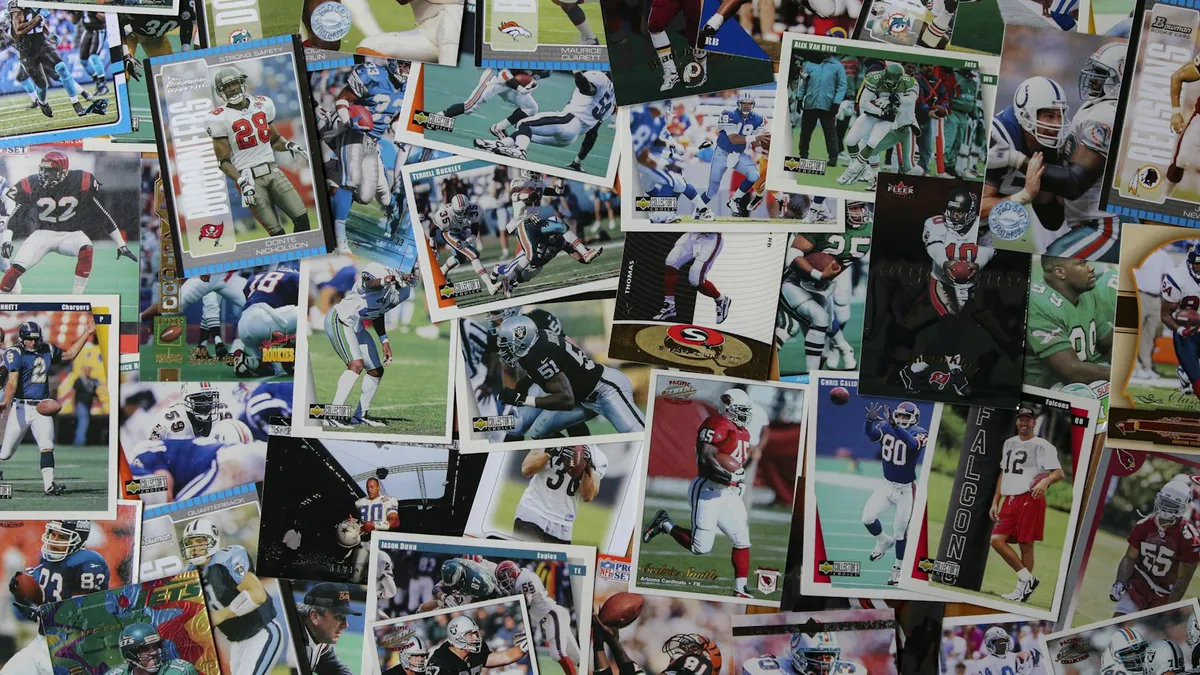
A card shop, also called a local card shop or local game store, is a shop that specialises in trading cards and the games played with them. Most stock Pokemon, Magic: The Gathering and sports cards, and many also carry Yu-Gi-Oh, One Piece, Disney Lorcana, Marvel cards and other collectible lines. The range varies by shop, and the best shops are clear about which games they support.
Shops make their money three ways: selling sealed product such as booster packs and hobby boxes, selling single cards, and buying collections and individual cards for resale. Many also sell supplies such as sleeves, top loaders, binders, deck boxes and play mats, and some offer grading services or send cards to grading companies on your behalf.
Best for: new collectors — a shop that stocks your game, runs events, and has staff happy to answer questions.
What card shops sell
Single cards are the heart of most card shops. A wall of binders or a case of singles lets you buy exactly the card you need for a deck or a set, instead of gambling on packs. Prices range from a few cents in a value bin to hundreds or thousands for rare cards, and the shop’s prices should sit close to recent online sales for the same card in the same condition.
Sealed product covers booster packs, booster boxes, hobby boxes and special sets. Hobby boxes cost more than retail boxes and usually contain better pulls, including autographs and rare parallels. Sealed product is also where the shop’s events come from: prerelease kits, draft nights and sealed tournaments all need fresh packs.
Best for: building a deck or a set — singles, which cost less than chasing the same card through packs.
How to find a good card shop near you
Start with a map search for card shops, hobby shops and game stores near you, then check the reviews. Look for recent reviews that mention fair prices, friendly staff, a good selection of singles and regular events. A shop with a loyal crowd and a busy events calendar is usually a shop doing things right.
Visit before you buy much. A good shop is clean and organised, with cards priced and labelled, and staff who greet you and answer questions. Watch how the staff treat new collectors and children: patience and clear answers are the sign of a shop that wants you back. A shop that pressures you to buy, or will not show you a card’s condition before you pay, is a shop to leave.
Best for: a first visit — a shop with a busy events board, priced singles and staff who take time with new collectors.
Buying singles, packs and boxes
Singles are the smartest way to spend money in a card shop. Decide which card you want, check its recent sale prices online, and compare with the shop’s price for the same condition. A small premium over online prices is normal, since you get the card today and you can inspect it first. A large premium is not.
Packs and boxes are the fun purchase, not the efficient one. A booster pack is a gamble, and a hobby box is a bigger gamble with better odds of a notable pull. Set a budget before you open anything, and treat the pack as entertainment rather than an investment. The cards you pull are worth what the market says they are worth, not what the pack cost.
Best for: value — singles for the cards you need, and one pack now and then for the fun of opening it.
Selling and trading your cards
Most card shops buy collections and individual cards, and the terms matter. Shops usually pay a percentage of a card’s market value in cash, and a higher percentage in store credit. Ask for the terms before you hand over your cards, and get the offer in writing if the value is significant.
Trading is the other way to turn cards into cards you want. Trade nights let you swap with other collectors, and the shop often provides tables and price guides. Value your cards before you trade, and check the other trader’s cards just as carefully. A fair trade is one where both sides know what their cards are worth.
Best for: turning duplicates into cards you want — trading at a shop event, with prices checked on both sides first.
Grading, condition and fakes
Condition decides value in the card market. Collectors check four things: corners, edges, centring and surface. A card with sharp corners, clean edges, even centring and a clean surface is worth far more than the same card with wear. Shops grade cards on a scale, and a card described as near mint should look near mint under a light.
Graded cards are sealed in slabs by companies such as PSA, and the grade is printed on the label. A PSA 10, or gem mint, is the top grade and carries the highest premium. Buying graded cards is the safest way to buy an expensive card, since the grade is independent and the slab proves the card has not been altered.
Fakes exist, mostly for Pokemon, so buy expensive cards from a shop you trust or in a graded slab. And if the hobby leads you to the sports behind the cards, our guide to how sports contracts work explains the business behind the players on the cards. For keeping your collection safe on the move, see the best travel wallets for card storage, and for giving cards as a present, our guide to the best anniversary gifts covers gifts that last.

Your card shop checklist
Use this checklist on your first visit to a card shop, and you will know within minutes whether it is worth your time.
- Check the shop stocks the game or sport you collect, and ask which lines it supports.
- Look for priced, labelled singles, with a value bin for cheap cards.
- Compare the shop’s prices with recent online sales for the same card and condition.
- Inspect every card’s corners, edges, centring and surface before you pay.
- Ask about trade-in terms: cash percentage, store credit percentage, and minimums.
- Check the events board for trade nights, game nights and prereleases.
- Ask whether the shop sends cards for grading, and what it charges.
- Buy expensive cards graded, or from a shop you trust.
- Set a budget before opening packs, and treat packs as entertainment.
- Keep your cards in sleeves and a binder, and store the binder away from heat and damp.
Comparing what card shops offer
| What the shop offers | What to look for | Watch out for |
|---|---|---|
| Singles | Priced near recent sales | Inflated prices, vague grades |
| Sealed boxes and packs | Hobby boxes, fresh stock | Old stock at new prices |
| Buying collections | Clear cash and credit terms | Lowball offers, no written terms |
| Trading | Regular trade nights | No price guides at the table |
| Graded cards | Slabs from known graders | Ungraded cards sold as mint |
| Events | Prereleases, tournaments | An empty events board |
| Supplies | Sleeves, binders, top loaders | Overpriced basic supplies |
Frequently asked questions
How do I find card shops near me?
Search maps for card shops, hobby shops and game stores near you, then check the reviews for fair prices, friendly staff and regular events. Visit before buying much, and watch how the staff treat new collectors. A busy events board is a good sign.
What do card shops buy?
Most buy Pokemon, Magic: The Gathering, sports cards and other trading cards, as singles and as collections. Shops usually pay a percentage of market value in cash and a higher percentage in store credit. Ask for the terms before you hand over your cards.
Are card shops good for beginners?
Yes. A good shop is the best place to start, since you can handle the cards, ask questions and learn the market before spending much. Staff at a good shop will help a beginner build a deck or start a set without pushing expensive purchases.
Should I buy singles or packs?
Buy singles for the cards you need, since they cost less than chasing the same card through packs. Buy packs for the fun of opening them, with a set budget, and treat them as entertainment rather than an investment.
What is a PSA 10?
A PSA 10 is the top grade from PSA, a card grading company, meaning gem mint. Graded cards are sealed in slabs with the grade on the label, and a PSA 10 carries the highest premium. Buying graded is the safest way to buy an expensive card.
How do I know if a card is fake?
Fakes exist mostly for Pokemon, so buy expensive cards from a shop you trust or in a graded slab. Check the print quality, the feel of the card and the colours against a known real card. If a deal looks too good to be true, it usually is.
The bottom line
A good card shop near you is worth finding and worth supporting. It is where you buy the singles you need at fair prices, trade duplicates for cards you want, learn the market from people who know it, and play the game with other collectors. The signs are simple: priced singles, clear trade-in terms, honest grading and a busy events board.
Visit first, buy small, check condition under a light, and compare prices with recent sales. Do that, and the shop becomes a regular stop rather than a one-off visit.