
Pest control is the work of keeping unwanted insects and animals out of your home, and the best pest control starts with prevention rather than poison. What does effective pest control actually involve?
It means making your home hard to enter, hard to eat in and hard to hide in, then dealing quickly and carefully with any pests that still get through. Sprays and traps have their place, but they treat the symptom. The lasting fix is to remove what attracted the pests in the first place.
Most homes will see a pest at some point. Ants find a crumb trail in summer, mice look for warmth in autumn, and cockroaches settle where there is water and food. It needs a calm look at where the pests are coming from, what they are eating, and how they are getting in, followed by steady, simple steps.
Key takeaways
- Prevention beats treatment: seal entry points, store food in sealed containers and fix leaks.
- Identify the pest before you treat it, because the wrong treatment wastes time and money.
- Clean up crumbs, spills and pet food daily, and take rubbish out regularly.
- Use traps and targeted treatments first, and reach for sprays only where needed.
- Read every product label in full and keep treatments away from children and pets.
- Call a licensed professional for wasps, bed bugs, termites or any infestation that keeps returning.
Ants: follow the trail, not the spray
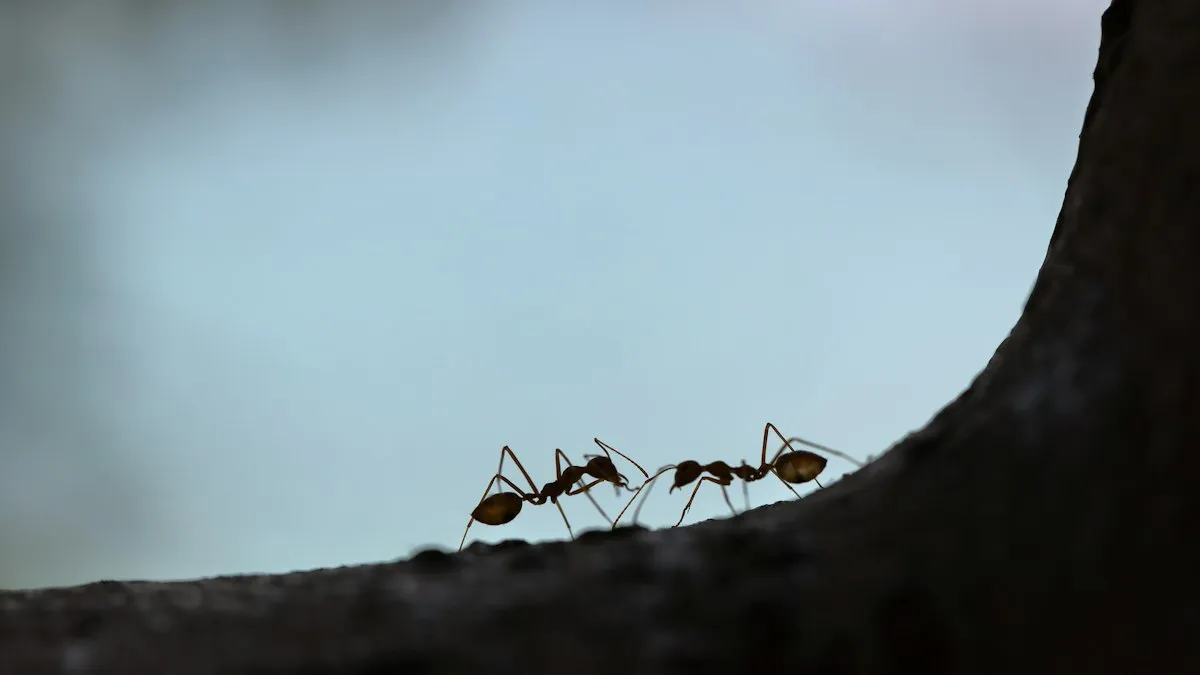
Ants are the most common household pest, and they are also the easiest to misunderstand. The ants you see are workers following a scent trail to food, and spraying them only kills the workers on that trail. The colony sends more, because the trail and the food are still there. The fix is to find what they are eating and remove it, then wipe the trail away with soap and water so the scent is gone.
Look for the entry point, which is often a gap around a window frame, a pipe or a door, and seal it with caulk or filler once the trail is broken. Keep worktops crumb-free, store sugar, flour and cereals in sealed containers, and rinse recycling before it goes in the bin. Ant baits, placed where ants actually travel, work better than sprays, because the workers carry the bait back to the colony.
Best for: kitchens in warm weather, where a few ants at a time usually means a food source nearby rather than a large infestation.
Mice and rats: block the way in
Mice can squeeze through a gap the width of a pencil, and rats through one not much wider, which is why blocking entry points matters more than any trap. Walk around the outside of your home and look for gaps where pipes and cables enter, vents without covers, and cracks in the brickwork. Fill small gaps with steel wool and caulk, since mice chew through foam and soft filler, and fit brush strips to doors that leave a gap at the bottom.
Inside, remove what mice need: food in sealed containers, pet food picked up overnight, and clutter cleared from cupboards and lofts so there is nowhere to nest. Snap traps set along walls are quick and reliable; live traps need checking often and release far from the house. If you hear scratching in walls or find droppings in several rooms, that is a sign of more than one mouse, and a professional will find the entry points faster than guesswork will.
Best for: older houses and homes near fields or woodland, where mice move indoors as the weather turns cold.
Cockroaches: dry, clean and patient
Cockroaches need warmth, water and food, and they are most at home in kitchens and bathrooms. The first step is to take away the water: fix dripping taps, dry the sink at night, and clear standing water from saucers under plants. Then take away the food by cleaning behind the cooker and fridge, emptying bins daily, and keeping pet bowls washed rather than left out overnight.
Cockroaches hide in cracks, behind kickboards and inside warm appliances. Gel baits placed in small dots along their runs are usually more effective than a general spray, because the insects carry the bait back to where they hide. A single cockroach seen at night is worth watching, but several seen in daylight, or egg cases found in cupboards, suggest a larger problem that a professional should assess.
Best for: flats and warm, humid homes, where cockroaches travel between units and need a steady, patient approach.
Flies, wasps and moths: seasonal visitors
Flies and wasps are seasonal, and the best defence is a barrier rather than a battle. Fit fine mesh screens to windows you open often, keep doors shut in the evening when flies are active, and cover food outdoors. Wasps are drawn to sweet drinks and fallen fruit, so clear fruit from the ground, keep bins lidded, and do not leave open cans or glasses outside.
Never disturb a wasp nest yourself. Wasps defend their nest aggressively, and a disturbed nest can sting many times. Mark the area, keep people and pets away, and call a professional to remove it. Clothes moths are a quieter problem: they eat natural fibres, so store wool and silk clean and sealed, vacuum wardrobes and drawers, and check stored clothes at the start of each season.
Best for: summer, when open windows and outdoor eating bring flies and wasps into contact with the house.
Bed bugs and fleas: act fast, wash hot
Bed bugs and fleas are the pests where speed matters most, because both spread quickly once they settle. Bed bugs hide in mattress seams, bed frames and headboards, and leave small dark spots and shed skins. If you suspect them, wash bedding and clothing at the hottest temperature the labels allow, vacuum the mattress and frame thoroughly, and empty the vacuum straight into an outside bin.
Fleas usually arrive with pets, so treat the animal with a product your vet recommends, wash pet bedding hot, and vacuum carpets and soft furnishings daily for a couple of weeks, since flea eggs keep hatching after the first clean. Neither pest is a sign of a dirty home, and both are hard to clear fully without professional help, so call a licensed pest controller early rather than after weeks of home treatments.
Fleas are a pet problem as much as a house problem, so our guide to the best cat flea products compares treatments for cats, and our guide to bumblebee beekeeping explains how to help the pollinators you do want in the garden. For the garden itself, our guide to composting dos and donts covers keeping a heap that feeds plants without attracting pests.
Best for: homes with pets, frequent travellers, and anyone who has brought second-hand furniture indoors.
Preventing pests without chemicals
The approach professionals call integrated pest management starts with the home itself, not with a product. Seal gaps, store food properly, fix leaks, clear clutter and take rubbish out regularly, and most pests never get a foothold. These steps cost little and work all year round, which is why they come before any spray or trap.
Natural deterrents have a supporting role. A tidy garden with plants trimmed away from the walls gives pests fewer routes in, and removing standing water stops mosquitoes breeding. Herbs and essential oils may discourage a few insects, but they do not replace sealing gaps or removing food.
Best for: every household, and especially homes with small children, pets or anyone sensitive to chemical treatments.

Your pest control checklist
Work through this list once a season, and again whenever you see a pest. Most problems are found and fixed at the prevention stage.
- Have you sealed gaps around pipes, cables, windows and doors, using steel wool and caulk for small holes?
- Is all dry food stored in sealed containers, with pet food picked up overnight?
- Are worktops wiped, spills cleaned and bins emptied daily?
- Have you fixed dripping taps and dried sinks at night, so there is no standing water?
- Is clutter cleared from cupboards, lofts and garages, leaving nowhere for pests to nest?
- Are window screens fitted and in good repair, and are doors kept shut in the evening?
- Have you identified the pest before treating it, rather than guessing?
- Are traps and baits placed where the pest actually travels, not where it is convenient for you?
- Have you read every product label in full, and kept treatments away from children and pets?
- Have you called a licensed professional for wasps, bed bugs, termites or a problem that keeps coming back?
Comparing common household pests
| Pest | Main attraction | First step | When to call a professional |
|---|---|---|---|
| Ants | Food crumbs and sugar | Remove the food, wipe the trail | Large trails that keep returning |
| Mice | Warmth and shelter | Seal entry gaps, remove nesting material | Droppings in several rooms |
| Cockroaches | Warmth, water and food | Fix leaks, clean behind appliances | Daylight sightings or egg cases |
| Wasps | Sweet food and drink | Cover food, keep bins lidded | Any nest, always |
| Bed bugs | Warmth and blood meals | Hot wash, vacuum mattress and frame | As soon as you suspect them |
| Fleas | Pets and soft furnishings | Treat the pet, wash bedding hot | If they persist after two weeks |
Frequently asked questions
What is the most effective pest control for a home?
Prevention is the most effective pest control: sealing entry points, storing food in sealed containers, fixing leaks and keeping the home clean and uncluttered. Treatments work best when they follow prevention, not instead of it.
How do I get rid of ants in my kitchen?
Remove the food the ants are after, wipe the scent trail with soap and water, and seal the gap they entered through. Ant baits placed along the trail work better than sprays, because workers carry the bait back to the colony.
Are pest control sprays safe around children and pets?
Many are not, so read the label in full before use, follow it exactly, and keep children and pets out of the treated area until it is dry and the label says it is safe. When in doubt, use traps or baits instead, or call a professional.
How do I know if I have mice?
Look for small dark droppings along walls and in cupboards, gnaw marks on packaging and wood, and scratching sounds at night. Mice run along walls, so traps and signs are usually found at the edges of rooms.
When should I call a professional pest controller?
Call a licensed professional for wasps, bed bugs and termites, for any infestation that keeps returning after home treatment, and for anything you cannot identify. Professionals can find entry points and nests that are easy to miss.
Do ultrasonic pest repellers work?
There is no reliable evidence that ultrasonic devices keep pests away, and they are not a substitute for sealing gaps, removing food and fixing leaks. Spend the money on caulk, sealed containers and good traps instead.
The bottom line
Pest control works best as a habit, not a one-off battle. Seal the gaps, store food properly, fix leaks and clean up daily, and most pests never settle in. When something does get through, identify it, deal with it at the source, and call a licensed professional for the problems that are dangerous or persistent. A calm, steady approach beats a shelf full of sprays every time.
Always read the label on any pest control product before you use it, and follow it exactly, including how long to keep children and pets away. If a product makes you feel unwell, or if a child or pet has swallowed or touched it, contact your local poison control service or a doctor straight away, and keep the packaging.